| 8,000+ Reviews
 Free EU Shipping above 100€*
 400,000+ Customers Worldwide
 Worldwide Tracked Shipping


Weight training or calisthenics: what are the fundamental differences?
The main distinction comes down to the source of resistance you place on your muscles. In classic weight training, you add an external load: dumbbells, barbells loaded with plates, guided machines or pulleys. You precisely control the weight lifted, which lets you isolate a muscle and adjust the intensity to the kilo.
Calisthenics, on the other hand, relies on your own bodyweight. Pull ups, push ups, dips, L-sits, planche or muscle ups: every movement mobilises your body mass as the only load. You're not trying to isolate a muscle but to master your body in space, which develops strength, coordination, and core stability at the same time.
The key differences can be summed up as follows:
- The resistance: external and adjustable load in weight training, bodyweight in calisthenics.
- The environment: an equipped gym on one side, training at home, in the park or while travelling on the other.
- The progression: you add weight to the bar in weight training, you increase the difficulty of the leverage and technique of the movement in calisthenics.
- The goal of the movement: isolating a muscle in weight training, controlling the whole body in calisthenics.
This freedom of location and logic of progression completely change your relationship with training on a daily basis.

Advantages and benefits of calisthenics
Calisthenics stands out for its versatility and accessibility. Here are its main strengths:
- Instant accessibility: a pull-up bar and a bit of motivation are enough to build a solid foundation, with no expensive membership or crowded gym.
- Functional strength: each exercise recruits several muscle groups at once, naturally strengthening your core, joint stability, and coordination.
- Body control: static holds like the planche or front lever sharpen your proprioception and body mastery.
- Mobility and joint health: full range-of-motion movements, like deep dips on parallettes, keep your joints healthy.
- Community spirit: Calisthenics is often practiced in groups, which keeps motivation high. At GORNATION, this community brings together more than 400,000 practitioners worldwide.
The result: an athletic, lean and balanced physique, with a high strength-to-weight ratio.

Advantages and benefits of weight training
Traditional weight training has its own weighty arguments:
- Measurable progression: you add 2.5 kg to your bar, log your performances and clearly see your progress week after week, which makes planning easier.
- Maximum mass gain: the ability to increase the load endlessly promotes hypertrophy, ideal if you're aiming for significant muscle volume.
- Muscle isolation: machines and targeted exercises let you work a specific muscle, correct an imbalance or strengthen a stubborn area.
- Gentle learning curve: many guided-machine exercises require less initial coordination than a muscle-up, a real advantage for the complete beginner.
If your goal is to gain significant muscle volume, especially in the legs, free weights offer a stimulus that's hard to match.

The comparison
Here's a head-to-head of the two disciplines across five decisive criteria:
| Criterion | Calisthenics | Weight training |
|---|---|---|
| Accessibility and cost | ✅ Little equipment, train anywhere | Membership or substantial equipment |
| Mass gain and volume | Slower progression on volume | ✅ Maximum hypertrophy, unlimited load |
| Functional strength and core | ✅ Body control, usable strength | More analytical, isolated work |
| Precision and progress tracking | Progression by movement difficulty | ✅ Tracked to the kilo |
| Mobility and joint health | ✅ Full range, stabilisers engaged | Depends on the exercises chosen |
The verdict? Neither method crushes the other. It all depends on what you're looking for, as you'll see now.
Weight training or calisthenics: what should you choose based on your profile?
Depending on your situation and goals, one discipline naturally stands out:
- You're starting out on a small budget: calisthenics is an ideal entry point. A pull-up bar and resistance bands will already take you far.
- You're aiming for mass gain, especially in the lower body: weight training with loads (squat, deadlift, press) will give you faster results.
- You want a lean, athletic physique: calisthenics and its high strength-to-weight ratio answer that need perfectly.
- You like precision and a structured routine: the gym environment and its repeatable framework will suit you better.
- You travel a lot or are short on time: bodyweight training adapts anywhere, a pair of parallettes in a bag is enough.
What equipment should you plan for as a beginner?
Whatever your choice, quality equipment makes all the difference to your safety and progress. Here are the essentials for each discipline.
For calisthenics
To get started with bodyweight training, a few well-chosen pieces are enough:
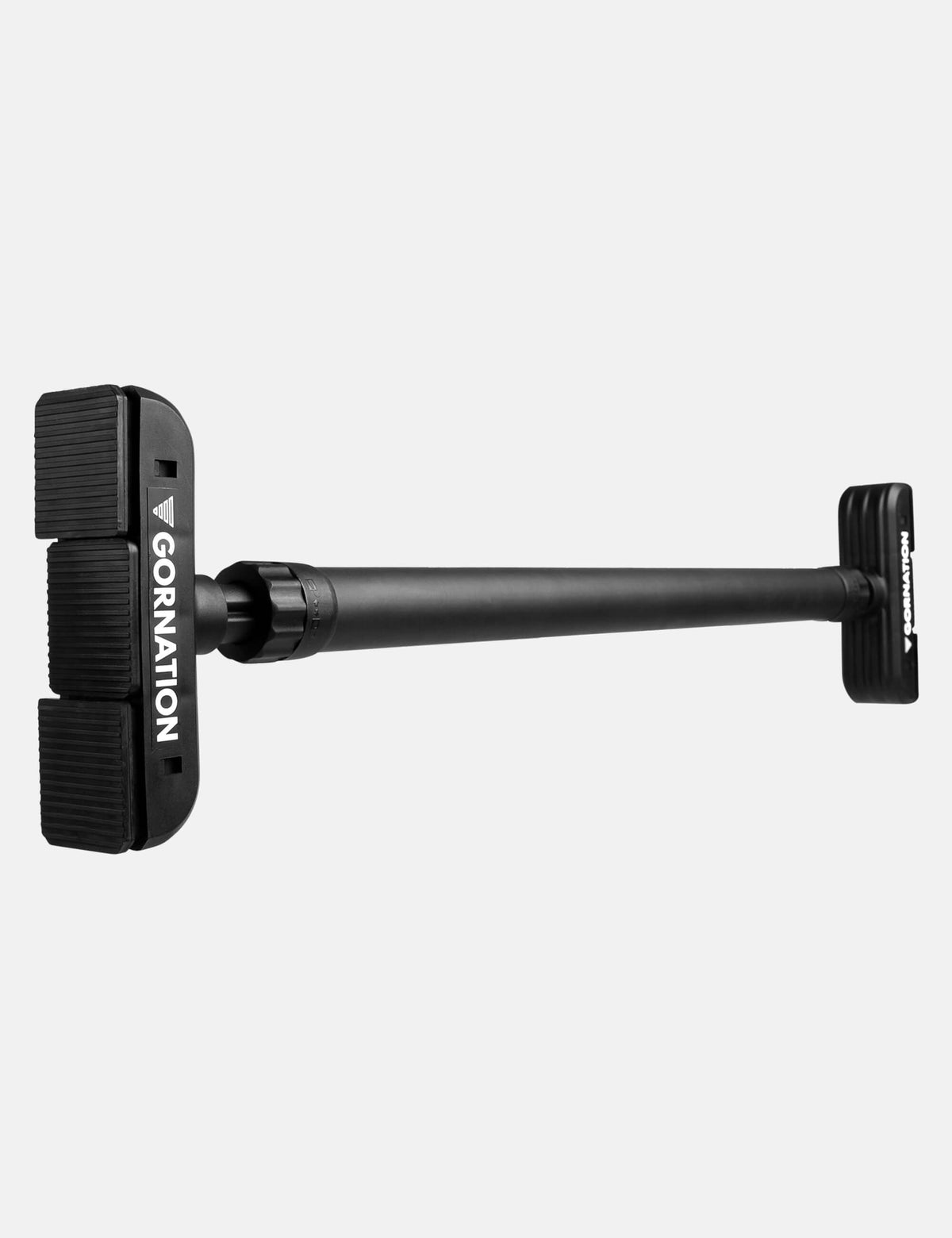
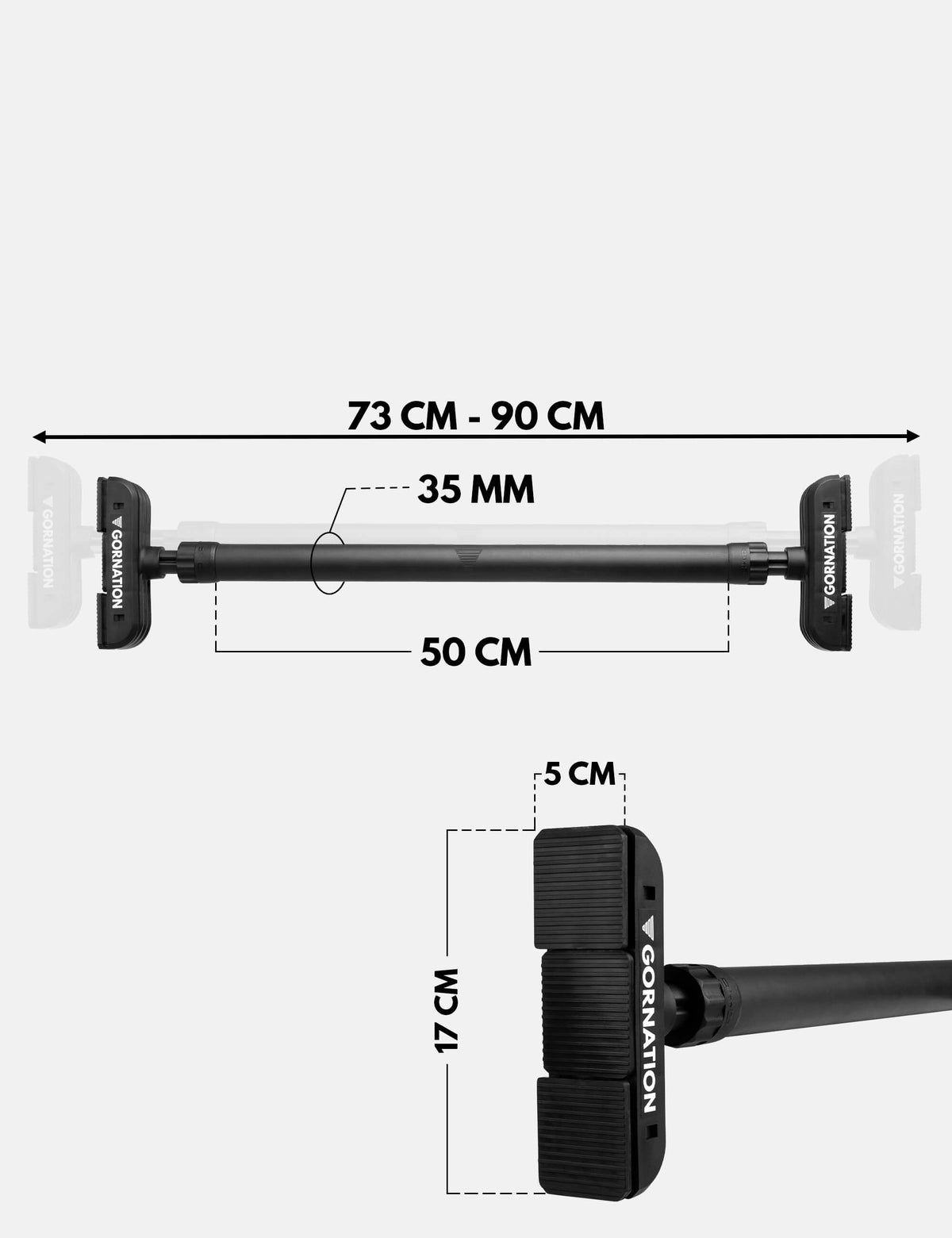
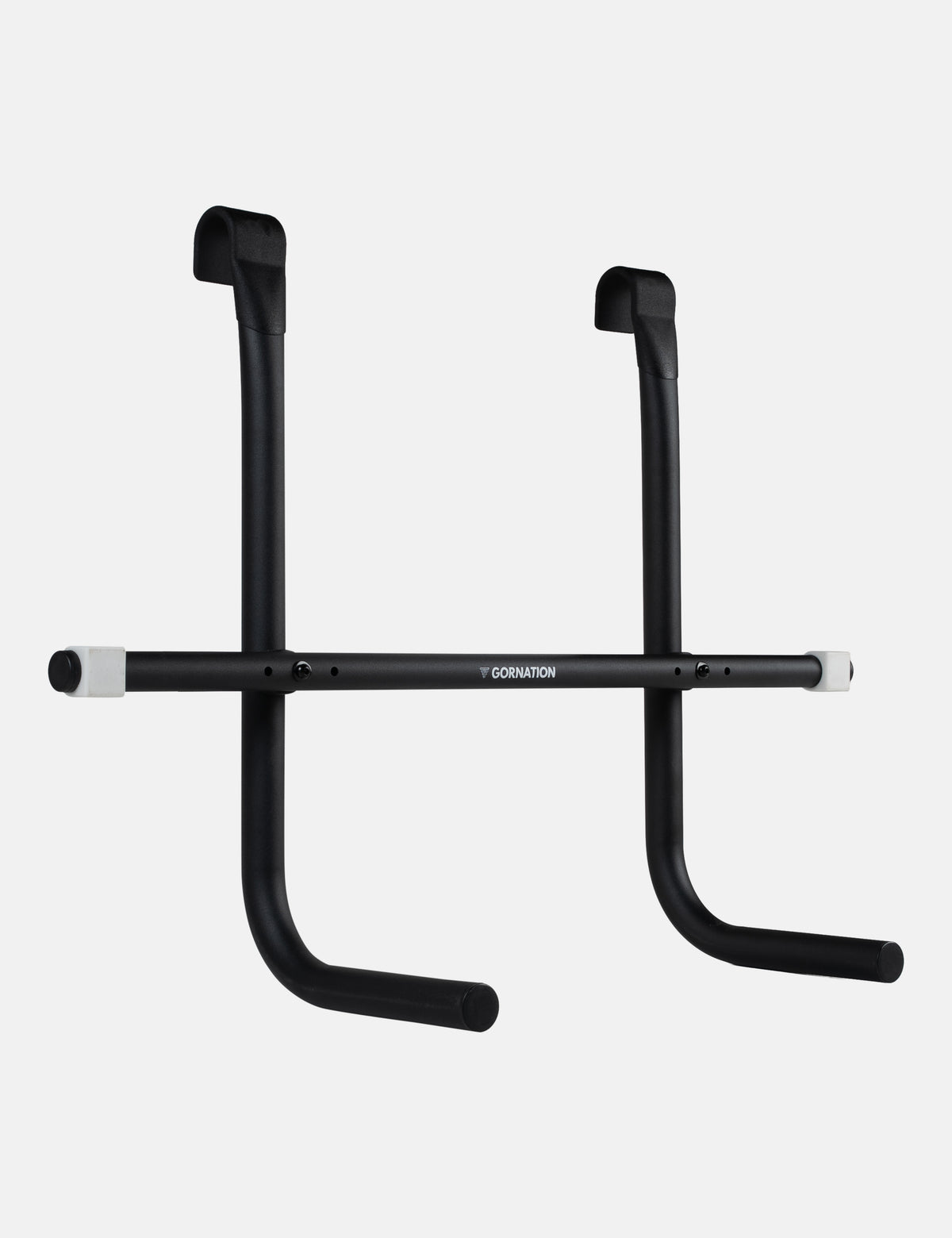
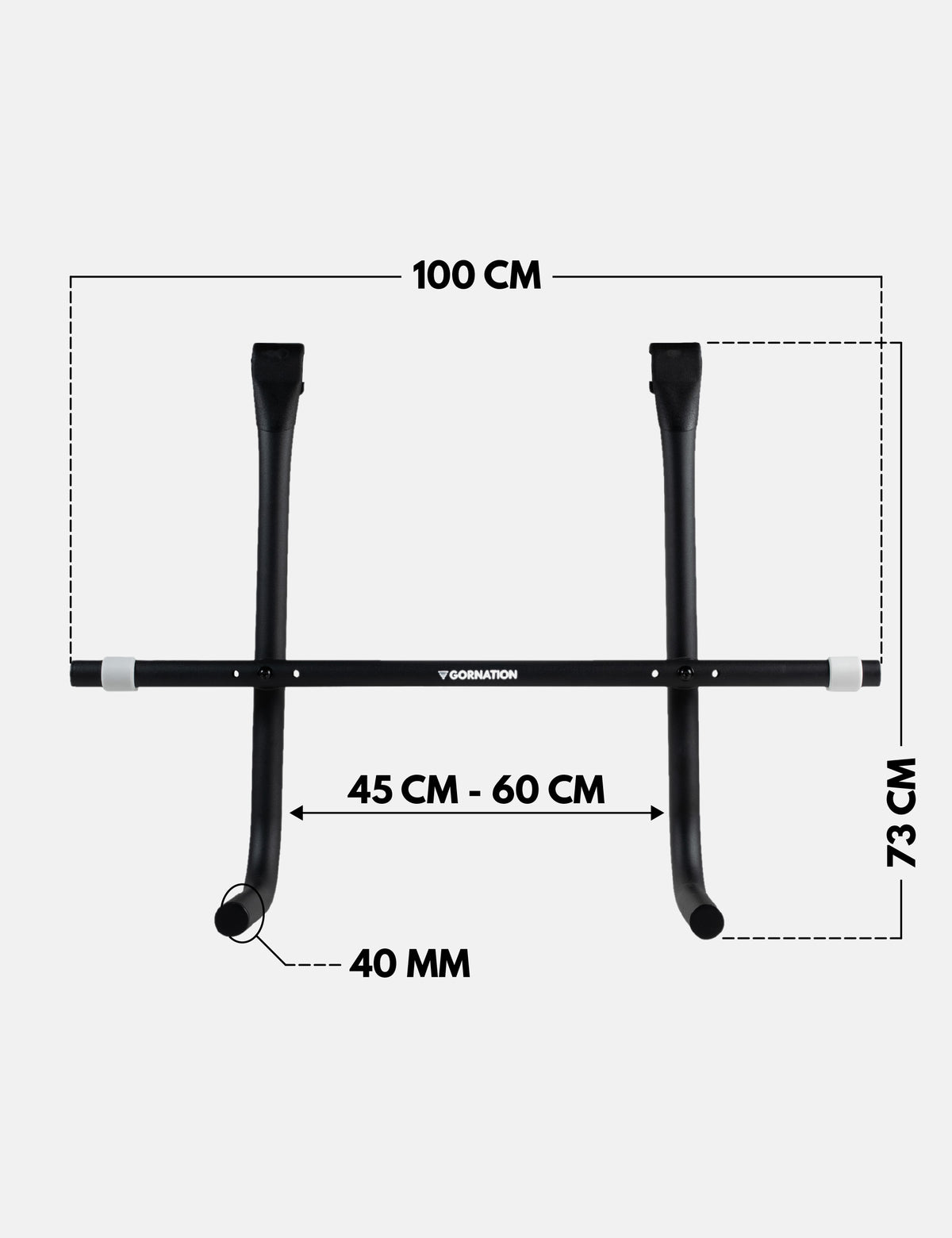
- GORNATION Pull-Up Bar: the fundamental piece of calisthenics equipment. It unlocks pull-ups, muscle-ups, hanging leg raises and all upper-body work. It's the first item to get for building a strong back and arms.
- GORNATION Parallettes (Active for travel, Pro for stability or Max for height): essential for push-ups, L-sits, dips and planche. Their beech wood absorbs sweat and protects your wrists thanks to a neutral grip.
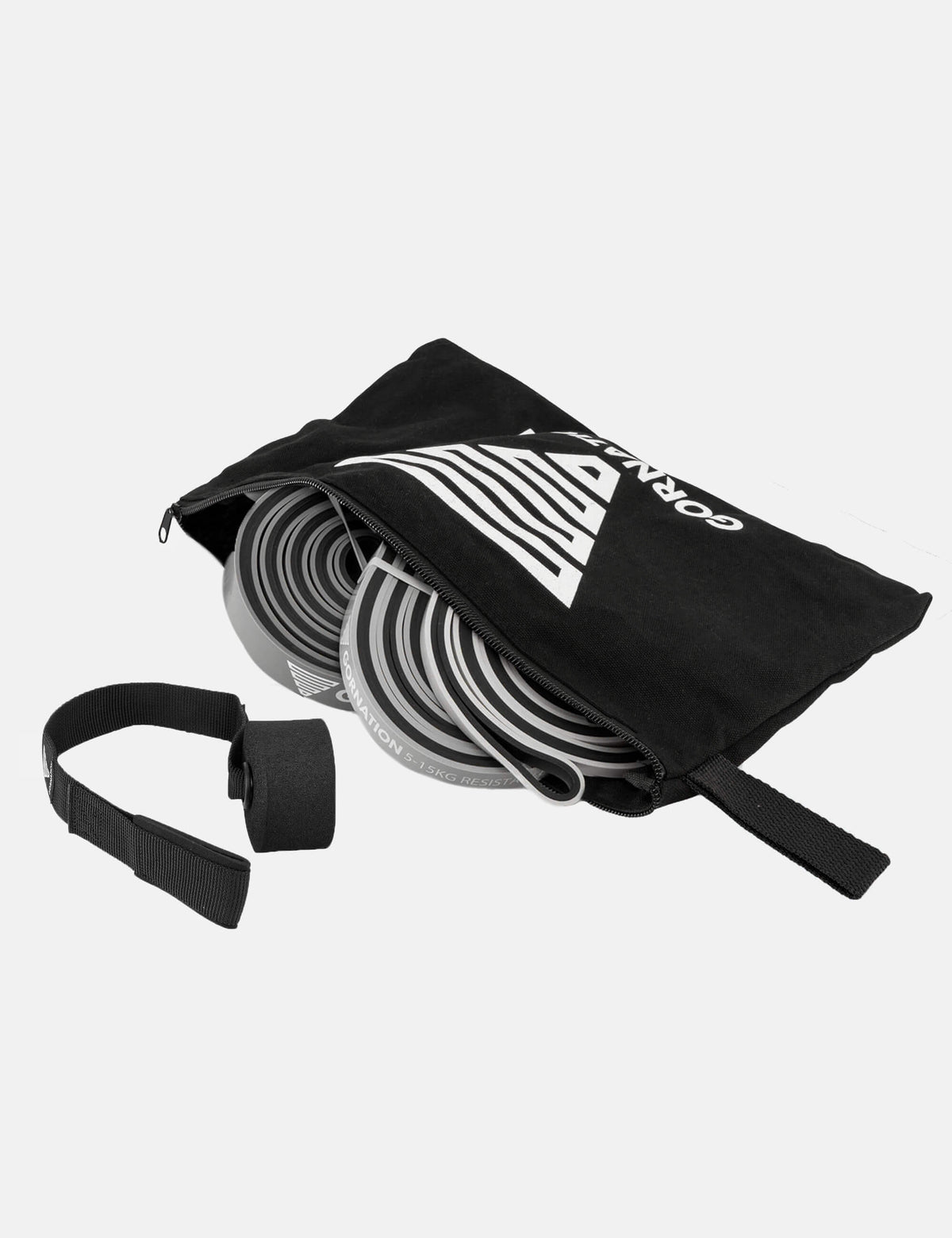
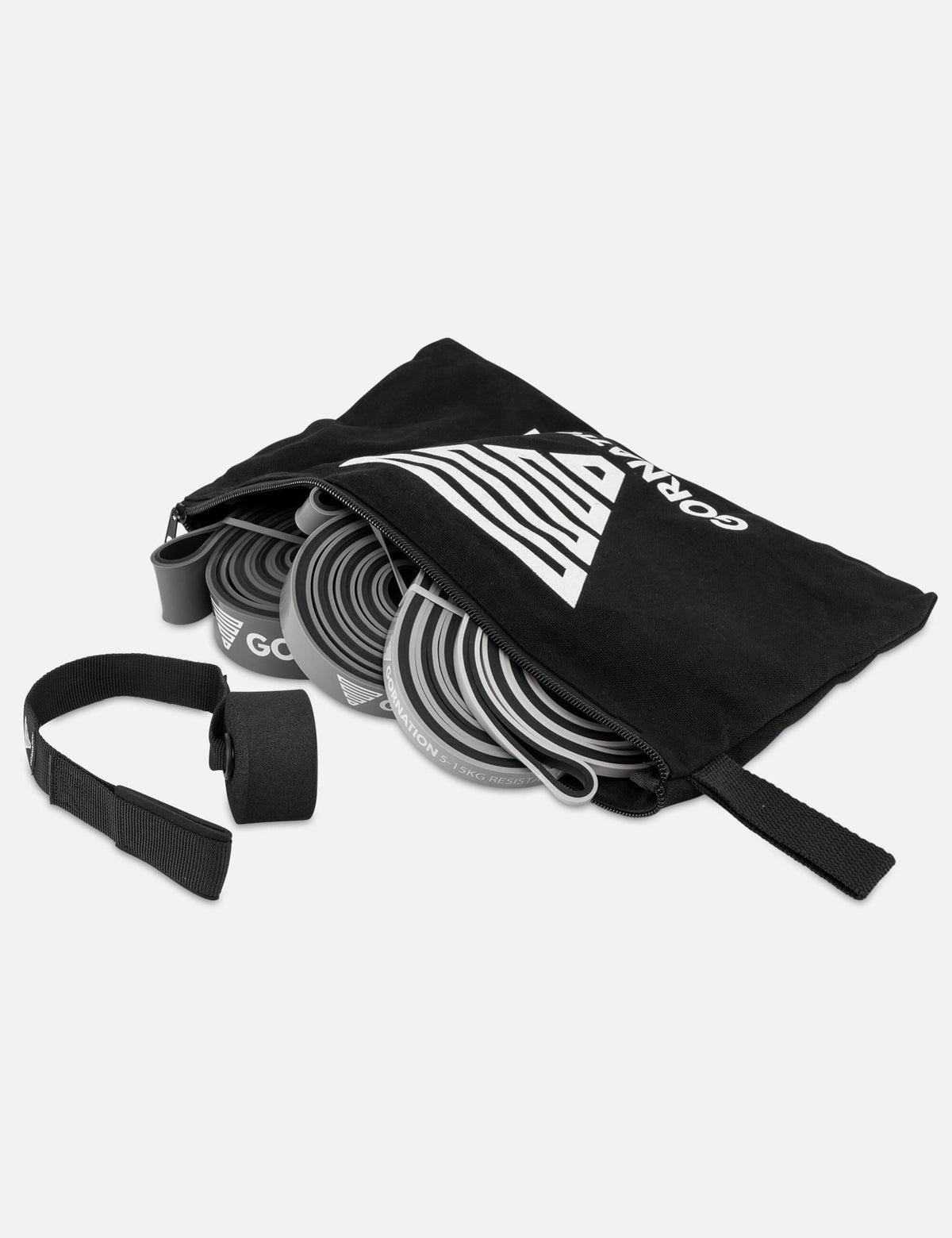
- GORNATION Resistance Bands: to assist you on your first pull-ups and muscle-ups, or to work on mobility.
- GORNATION Wrist Wraps (versatile Performance or Light for statics): stability and comfort on demanding movements.
- GORNATION Liquid Chalk: for a dry, secure grip on the bar.

For weight training
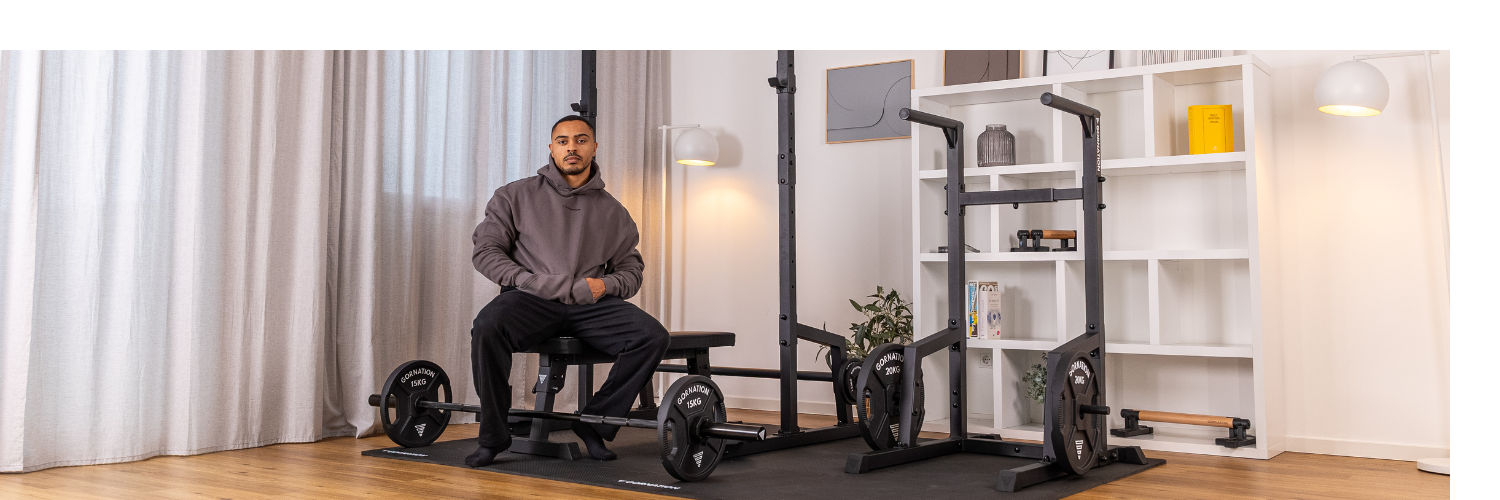
As soon as you add external load, the GORNATION Weight Training collection lets you build a complete home gym:
- Barbell with Clips + GORNATION Iron Weight Plates: the foundation of any serious programme for compound exercises (squat, bench press, rowing) and progressive overload to the kilo.
- GORNATION Dumbbell with Clips (single or as a set): valuable versatility for isolation work on arms, shoulders and chest.
- GORNATION Foldable Bench: flat presses, incline presses or seated dumbbell exercises, all while saving space.
- GORNATION Pulley System: constant tension, ideal for targeting the back or triceps.
- GORNATION Magnetic Barbell Clips: to secure your plates in one move.
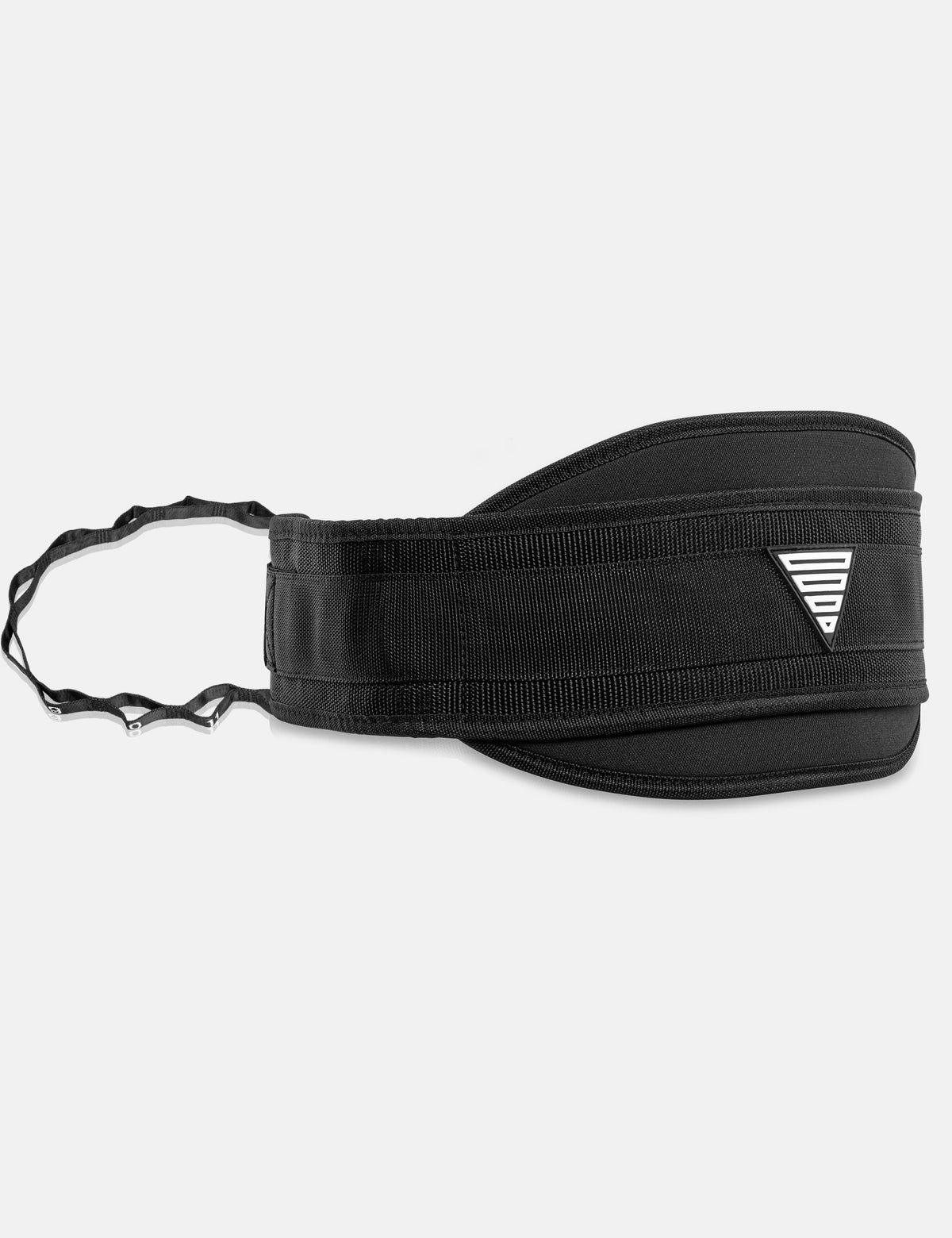
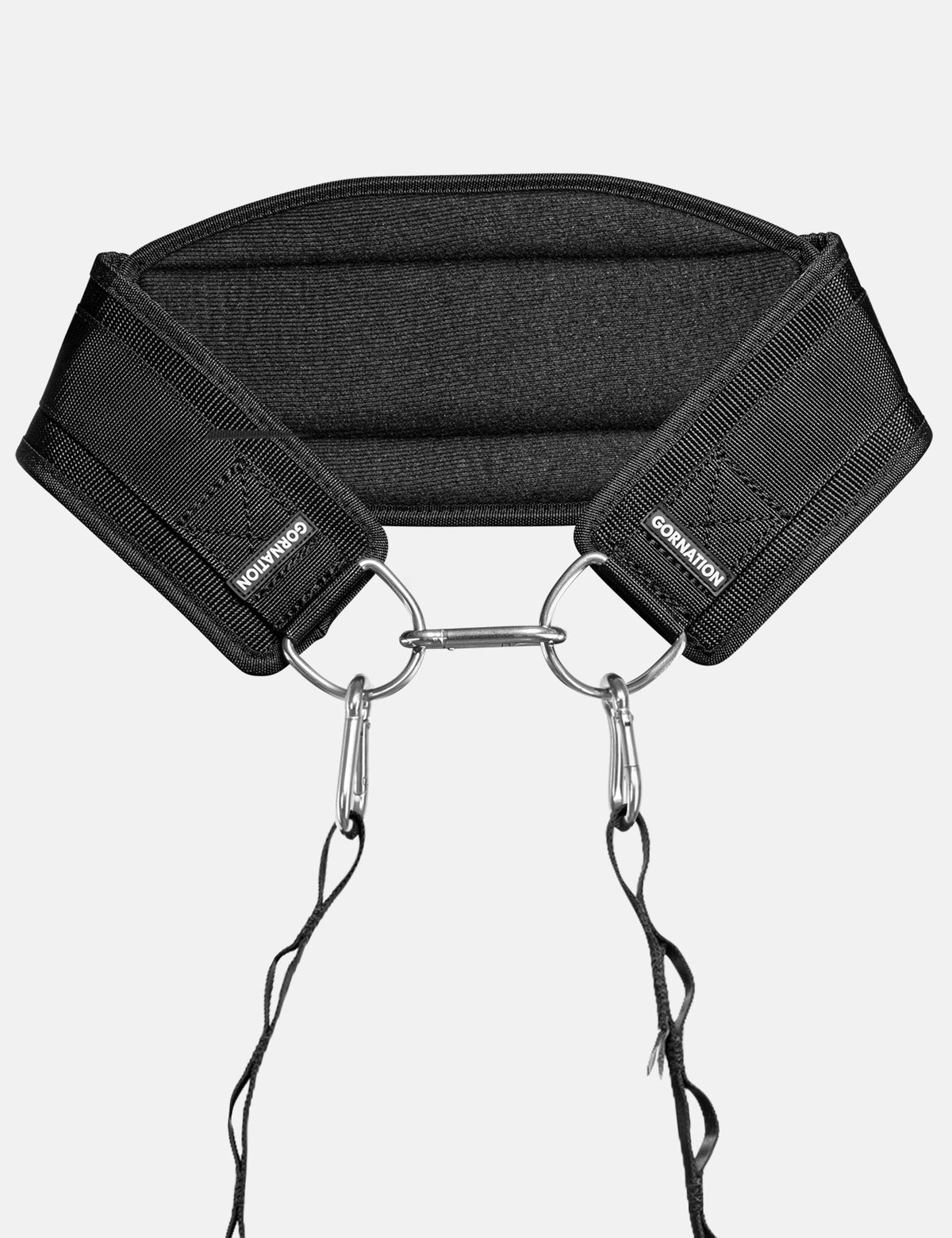
- GORNATION Premium Dip Belt: to load up pull-ups and dips, with a capacity tested up to 1000 kg. The perfect bridge to street lifting.
- GORNATION Elite Weight Vest (10 or 20 kg): intensifies push-ups, squats and core work thanks to a load spread across the torso.
- GORNATION Power Wrist Wraps: maximum wrist support thanks to the velcro closure and thumb loop, perfect for weighted dips and pressing.

Can you combine weight training and calisthenics?
Absolutely, and it's often the best strategy. Far from being opposites, these two approaches complement each other beautifully. Weight training lets you build volume and target specific muscles, while calisthenics refines your functional strength, core stability and body control.
In concrete terms, you can:
- Build your base strength and mass with weight-training exercises (squat, press, pull).
- Work on your skills like the muscle-up or planche in calisthenics.
- Integrate weighted calisthenics, which literally bridges the two worlds: adding weight to a pull-up or dip with a dip belt means applying weight training's progressive overload to bodyweight movements.
This hybrid approach gives you the best of both worlds: power and volume on one side, agility and mastery on the other. It also prevents boredom by varying the stimuli, which keeps your motivation high over the long term.
Mistakes to avoid when you're starting out
Whichever path you choose, a few pitfalls slow down beginners' progress:
- Neglecting technique in favour of load or number of reps: a poorly executed movement increases injury risk and reduces the effectiveness of your muscular work.
- Wanting to go too fast: progressive overload must stay gradual and respect your body's capabilities.
- Forgetting recovery: your muscles are built during rest. Insufficient sleep or a lack of off days will sabotage your results.
- Training without suitable equipment: unstable or poor-quality gear exposes you to needless pain. Investing in reliable equipment from the start protects your joints.
In short, there's no absolute winner between weight training and calisthenics: there's the method that fits your goals. And if you don't want to choose, combining the two remains the royal road to a complete, powerful and functional physique.