| 7,000+ Reviews
 Free EU Shipping above 100€*
 400,000+ Customers Worldwide
 Worldwide Tracked Shipping


The pull up is one of the most powerful bodyweight exercises in calisthenics. It builds upper body strength, improves posture and is often the first major milestone in a beginner’s training journey.
However, many people struggle with their first pull up. Without the right pull up training strategy, beginners often attempt pull ups repeatedly without building the necessary strength.
In this guide you will learn:
-
how to get your first pull up
-
the best pull up progressions for beginners
-
how to increase your pull up reps
-
the most effective pull up exercises and workouts
We also asked top GORNATION athletes for their best advice on improving pull up strength. If you prefer visual demonstrations, watch the full guide below:
Why Pull Ups Are So Difficult for Beginners
Many beginners underestimate the challenge of a strict pull up.
Unlike machine exercises in the gym, pull ups require you to lift your entire bodyweight using only your upper body muscles. That means your strength-to-bodyweight ratio is critical.
The muscles involved in a proper pull up include:
-
Latissimus dorsi (lats)
-
Biceps
-
Rear delts
-
Core muscles
-
Forearms and grip
If these muscles are not yet strong enough, performing even a single pull up repetition can be difficult. Fortunately, the right pull up progression exercises can quickly improve your strength.
How to Get Your First Pull Up
If your goal is to achieve your first pull up, your training should focus on exercises that closely replicate the pulling movement.
Instead of randomly attempting pull ups, follow structured calisthenics pull up progressions.
These pull up progressions help beginners build strength step by step:
Australian Pull Ups
Australian pull ups are one of the most effective pull up progression exercises for beginners. Because your feet stay on the ground while pulling your body toward the bar, the movement is easier than a regular pull up but still trains the same muscles in your back, arms and grip. This makes Australian pull ups a great starting point to build the pulling strength needed for your first strict pull up.
👉 Learn the exact technique in our detailed Australian Pull Up guide.
Assisted Pull Ups
Assisted pull ups are another excellent exercise to help you achieve your first pull up. By using resistance bands or light support with your foot, you reduce the amount of bodyweight you need to lift while still practicing the full pull up movement. This allows beginners to train proper form, increase training volume and gradually build the strength needed for unassisted pull ups. A foldable bench can also be useful to control the assistance and make the movement easier to learn.
👉 Learn the exact technique in our detailed Assisted Pull Up guide.
Negative Pull Ups
Negative pull ups are one of the fastest ways to build pull up strength. Instead of focusing on pulling up, the goal is to control the lowering phase of the movement as slowly as possible. This eccentric training places high tension on the back and arm muscles and helps your body adapt to the pull up motion. Beginners can jump or step to the top position and then lower themselves slowly for several seconds.

Focus on Low Repetitions for Strength
Many beginners think doing more repetitions will help them achieve their first pull up faster.
However, pull ups require strength training rather than endurance training.
A good structure for pull up workouts for beginners is:
3–5 sets
3–6 repetitions
This approach builds the strength necessary for your first pull up while maintaining proper technique.
Use Progressive Overload
Progressive overload is the foundation of every effective pull up training program.
To improve your pull ups, your workouts need to become slightly harder over time.
Ways to progress include:
-
increasing repetitions
-
reducing assistance from resistance bands
-
adding additional sets
-
slowing down the movement tempo
- reducing the rest time
These small improvements gradually increase your pull up strength.
Improve Your Strength-to-Weight Ratio
Because pull ups are a bodyweight exercise, body composition plays a big role.
Reducing body fat slightly can make pull ups for beginners significantly easier.
Instead of extreme dieting, focus on:
-
consistent strength training
-
balanced nutrition
-
sufficient protein intake
Over time this will improve your relative strength for pull ups.

How to Increase Your Pull Up Repetitions
Once you achieve your first pull up, the next goal is increasing your pull up reps.
Many athletes get stuck at 3–5 pull ups, but specific strength training strategies can help break through this plateau.
Train Weighted Pull Ups
One of the best methods to increase pull up repetitions is weighted pull up training.
By adding external resistance, your muscles must adapt and become stronger.
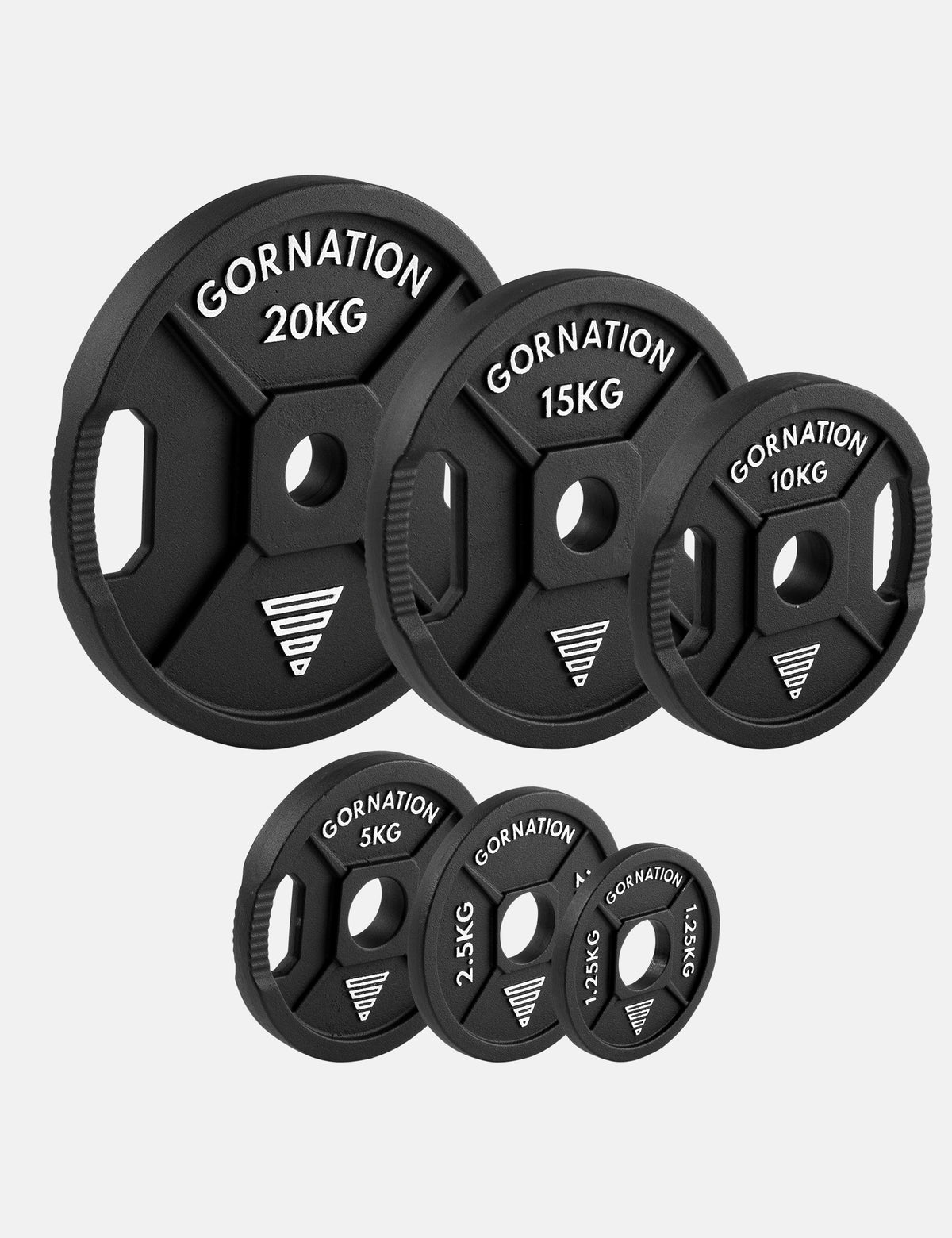
You can do this using weight plates attached to a weight belt.
Benefits include:
-
improved maximum pulling strength
-
stronger back and arms
-
easier bodyweight pull ups afterwards
Weighted pull ups are widely used in advanced calisthenics strength training programs.
👉 If you want to learn exactly how to perform weighted pull ups safely and with proper technique, check out our detailed guide on the GORNATION blog.
Use Resistance Bands for Extra Volume
Resistance bands are not only useful for beginners. They are also valuable for increasing total training volume.
For example:
-
Perform a couple sets with normal pull ups
-
After reaching fatigue, continue your next couple sets with band-assisted pull ups
This strategy increases total repetitions and supports pull up endurance training.
Train Close to Muscle Failure
For strength development, your sets should be performed at around 80–90% intensity.
This means stopping one or two repetitions before complete failure. Training close to failure activates the muscles effectively while still allowing you to maintain good technique and consistent performance across your workout.
If you go to complete muscle failure in every set, your muscles fatigue much faster and metabolic stress increases quickly. This often leads to a strong burning sensation and reduced force production, which means you will usually perform fewer repetitions in the following sets. By stopping slightly before failure, you can maintain higher quality sets, accumulate more total training volume and improve your pull up strength more efficiently.
Training close to failure ensures:
-
maximum muscle activation
-
optimal strength gains
-
improved pull up performance
Rest 3-5 Minutes between sets
Pull ups are a demanding compound exercise.
Proper recovery between sets allows your muscles and nervous system to produce maximum force.
For optimal results in pull up strength training, rest 3–5 minutes between sets.
Increase Training Volume Gradually
Over time, increasing training volume will further improve your pull up capacity.
This can include:
-
more training sets
-
additional pulling exercises
-
more weekly pull up workouts
Gradually increasing volume helps build long-term strength and endurance.

Example Pull Up Workout for Beginners
Here is a simple pull up workout for beginners that targets the key muscles required for pull ups.
| Exercise | Sets | Reps |
|---|---|---|
| Assisted Pull Ups | 4 | 5 |
| Australian Pull Ups | 4 | 8 |
| Negative Pull Ups | 3 | 3 |
| Dead Hang | 3 | 20 seconds |
This workout is ideal for anyone following a beginner calisthenics pull up training plan.
Recommended Equipment for Pull Up Training

According to our athletes, achieving your first pull up comes down to consistency and smart training.
Keep these key principles in mind:
-
train pulling exercises regularly
-
follow proper pull up progressions
-
focus on quality repetitions
-
apply progressive overload
-
rest enough between workouts
With the right training strategy, most beginners can achieve their first pull up within a few months.
Stay consistent, track your progress and enjoy every step of your calisthenics pull up journey.