| 7,000+ Reviews
 Free EU Shipping above 100€*
 400,000+ Customers Worldwide
 Worldwide Tracked Shipping

How to do the exercise
The L-Sit Muscle Up combines core strength, pulling power, and a smooth transition over the bar. It’s an advanced skill, but with the right technique and progressions you’ll build control and efficiency. Here’s how to perform the L-Sit Muscle Up step by step:
1. Starting Position
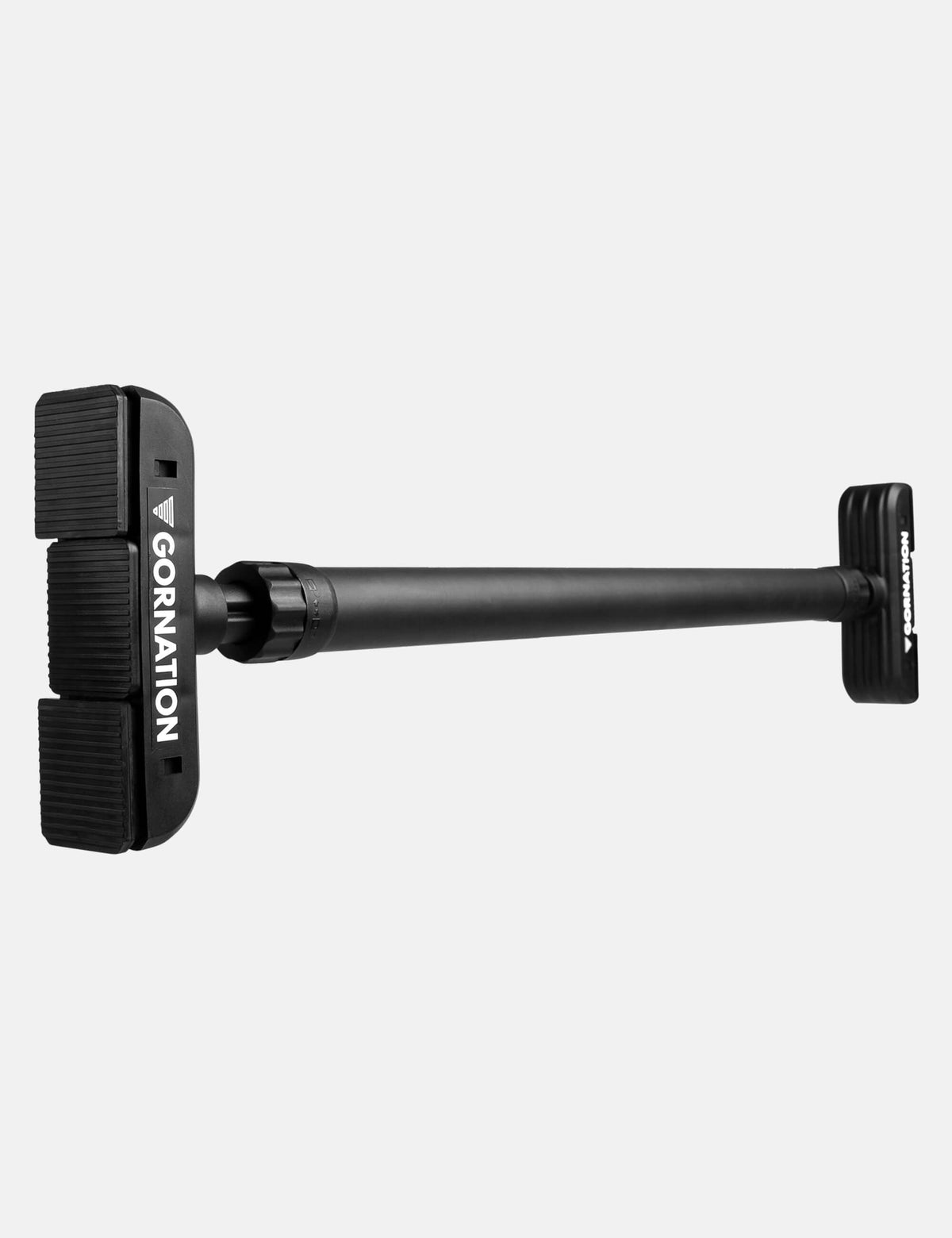
Stand beneath a sturdy pull-up bar and grab it shoulder-width apart. Use a false grip to ease the transition. Your palms sit on top of the bar and your wrists flex over it. Then go into a dead hang with a firm grip.
2. Set the Hanging L-Sit
From the dead hang, lift your legs straight together to hip height, creating a clean 90° angle at the hips. Keep knees locked, toes pointed, and activate your core. Maintain shoulder integrity while you stabilize the L-sit position.
3. Pull and Transition
Initiate a strong, controlled pull with elbows tracking close to your body. Keep the legs straight in the L as you bring your chest toward and slightly above the bar. As your chest clears the bar, rotate the hands (the false grip helps) and lean the shoulders over the bar to enter the dip position.
4. Dip to Lockout
With your chest over the bar, press through the palms and extend the elbows until arms are straight. During the press, let the legs transition from the L position to a vertical line under you, so the feet point straight down.
5. Controlled Descent & Reset
Lower under control by reversing the dip, returning your chest to bar height. Re-establish the hanging L-sit before your next rep. Prioritize quality reps over quantity to engrain clean technique.
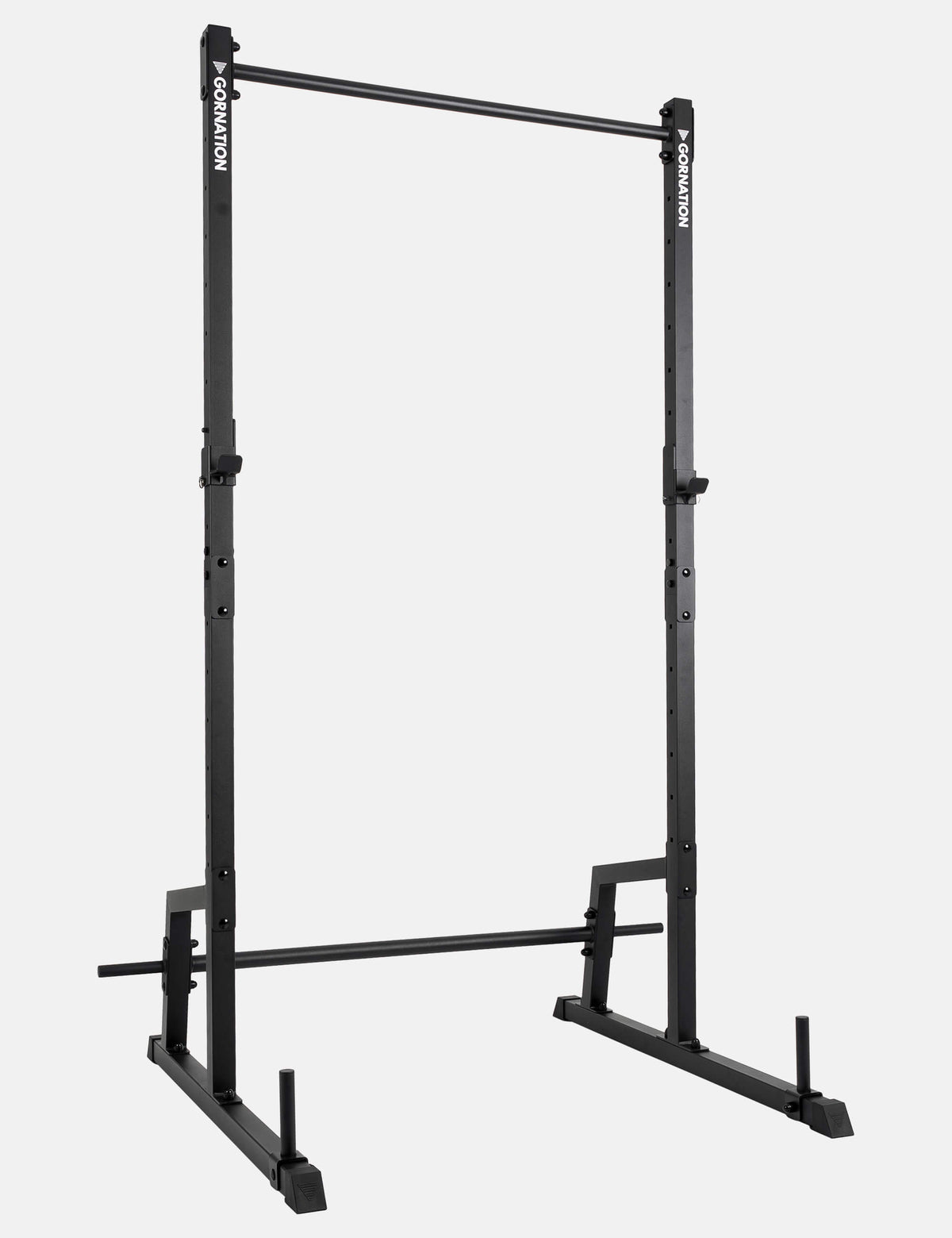
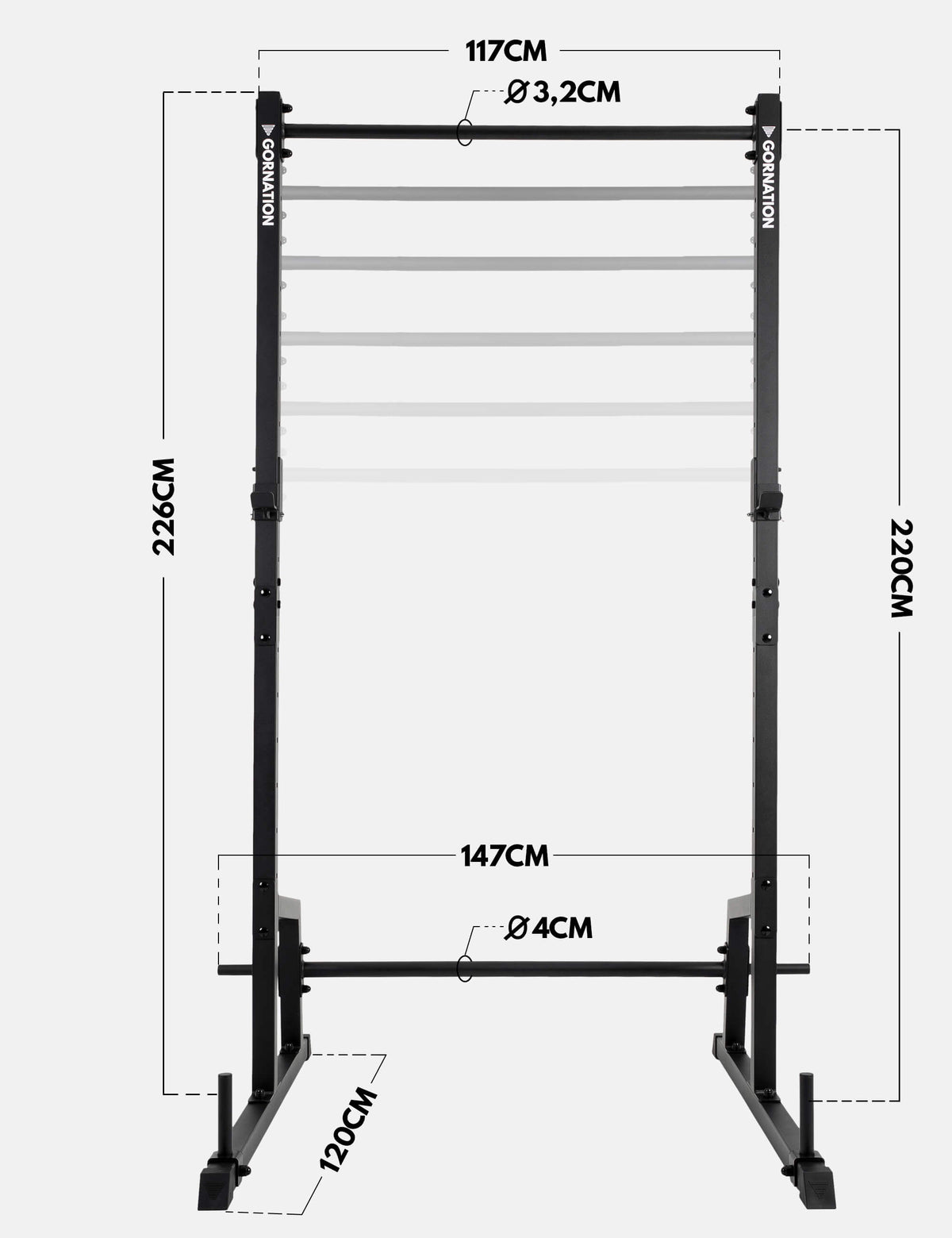
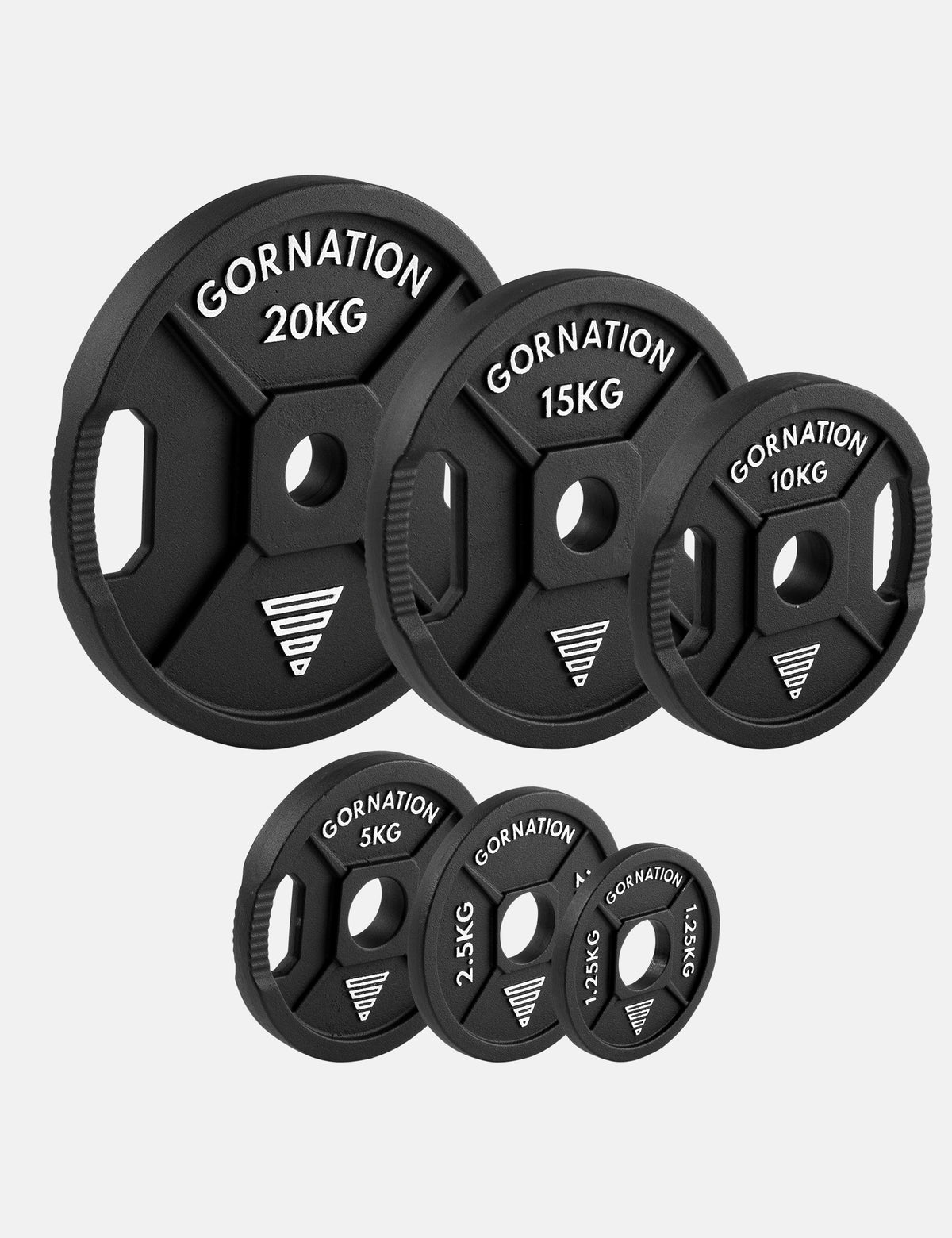
Recommended Equipment for the L-Sit Muscle Up


Benefits of the exercise
The L-Sit Muscle Up develops high-level pulling strength, core control, and clean bar transitions:
-
Builds powerful lats, biceps, and upper back while reinforcing strict technique
-
Trains a stable midline through the hanging L-sit, improving overall body control
-
Strengthens the transition phase with the false grip for smooth, efficient reps
-
Improves top-end pressing strength and shoulder stability in the support position
This makes it a valuable goal for advanced calisthenics athletes and a structured progression target for intermediates working toward strict muscle ups.
Main muscles used
The L-Sit Muscle Up primarily targets:
-
Lats & upper back (pulling phase)
-
Biceps & forearms (false grip and elbow flexion)
-
Anterior deltoids & chest (transition and press-out)
-
Core muscles (hip flexors, rectus abdominis) for the L-sit stability
Balancing strict pulling, core tension, and a confident press-out ensures even development and efficient technique over the bar.
If you're looking for other exercises, check out our Youtube video:
Mistakes to avoid
Common mistakes when performing the L-Sit Muscle Up include:
-
Breaking the L-sit too early: Keep legs straight and hips at 90° until your chest clears the bar.
-
Skipping the false grip: Without it, the transition becomes harder and less controlled.
-
Pulling away from the bar: Aim to pull your chest toward the bar, not under or behind it.
-
Collapsed shoulders: Maintain active shoulders (depressed and slightly protracted) to protect joints and keep power.
-
Rushing the transition: Move smoothly over the bar - don’t jerk or lose tension during the turnover.
- Inconsistent core tension: Brace the core throughout the pull and support to prevent arching or swinging.
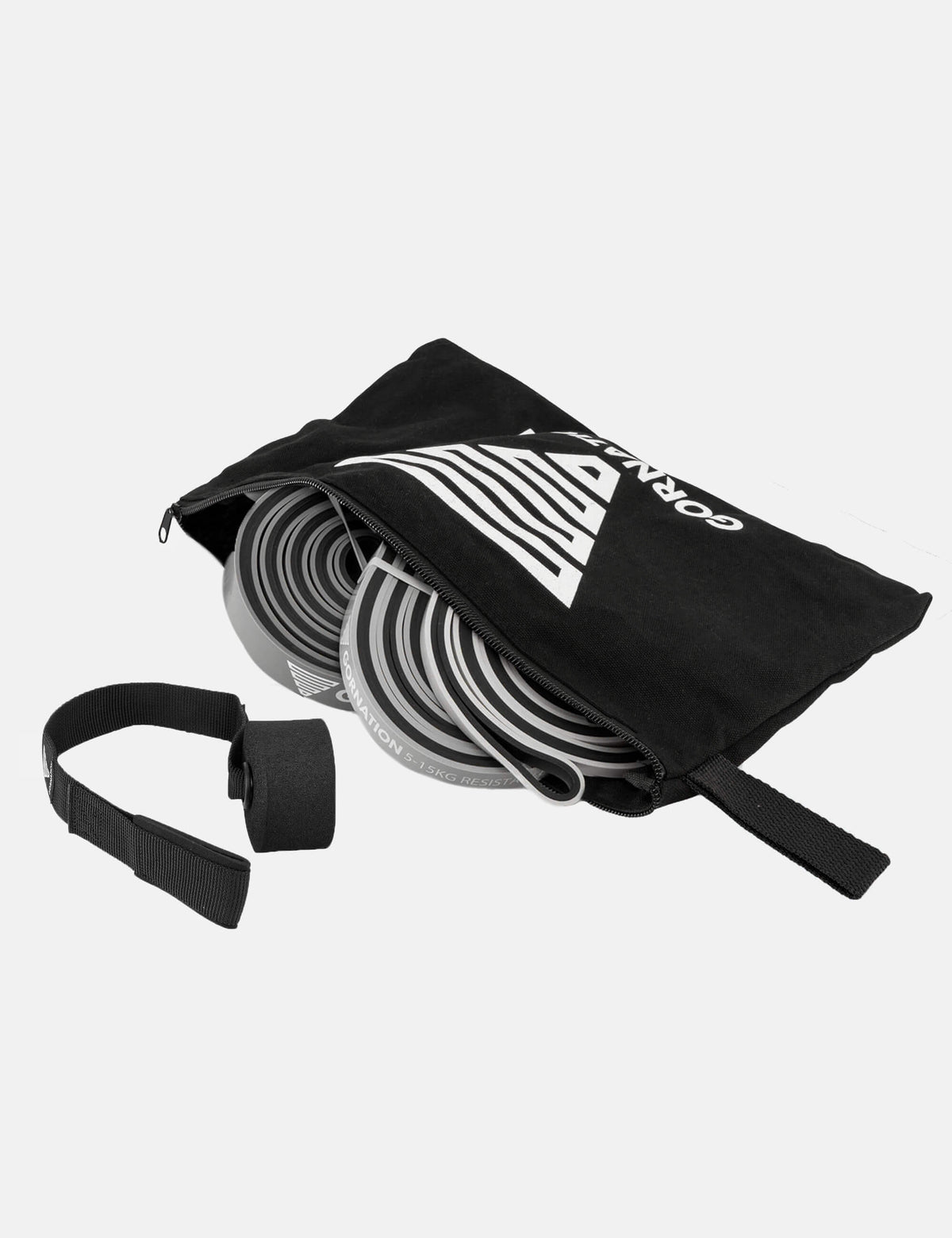
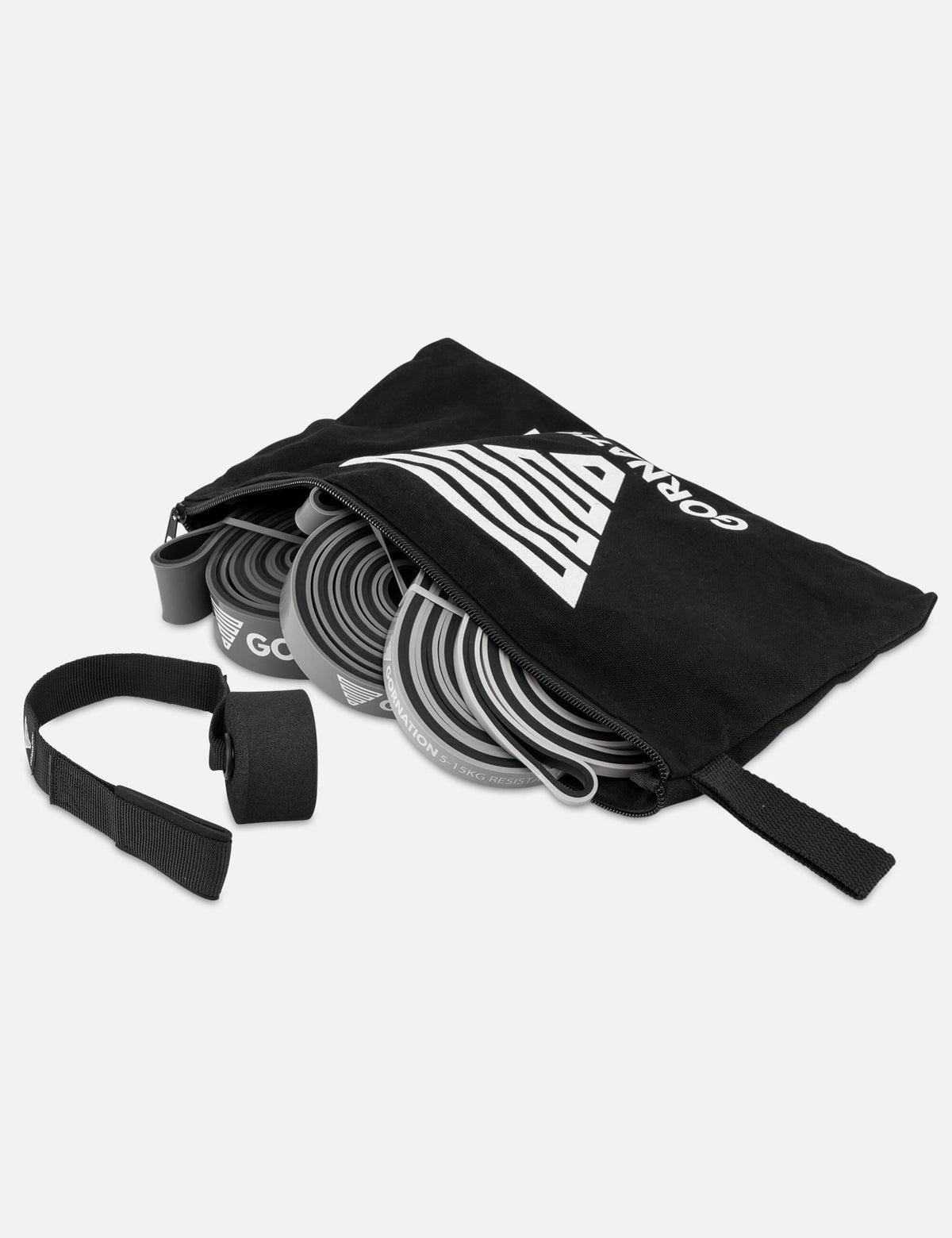
Progress by practicing hanging L-sits, false grip holds, and controlled chest-to-bar pulls. Use bands sparingly - aim to reduce assistance over time while keeping every rep clean.
Discover more Exercises
Looking for more ways to level up your training? Check out our full exercise overview or try these effective exercises that perfectly complement your training:
Please read our legal disclaimer before starting your workout.