| 7,000+ Reviews
 Free EU Shipping above 100€*
 400,000+ Customers Worldwide
 Worldwide Tracked Shipping

How to do the exercise
The Front Lever Raise is an advanced calisthenics exercise that builds incredible core, shoulder, and back strength while improving full-body control. It’s a key progression toward mastering the Front Lever. Here’s how to perform it correctly:
1. Starting Position
Hang from a Pull Up Bar with your hands shoulder-width apart and an overhand grip. Keep your body straight, legs together, and engage your core and lats. Your shoulders should be slightly depressed and your gaze forward.
2. Raising Phase
From the Front Lever position, begin raising your straight body upward in one line until you reach a vertical position. Your hips should come close to the bar while maintaining full-body tension. Avoid bending at the hips or knees. Control the motion using your core and lats.
3. Lowering Phase
Slowly lower your body back down to the Front Lever position in a controlled manner. Keep your body tight and avoid swinging. The negative phase is key for developing strength and control throughout the movement.
4. Reset and Repeat
Once you return to the Front Lever position, reset your core tension and repeat for the desired number of reps. Perform each repetition smoothly and under full control for maximum benefit.
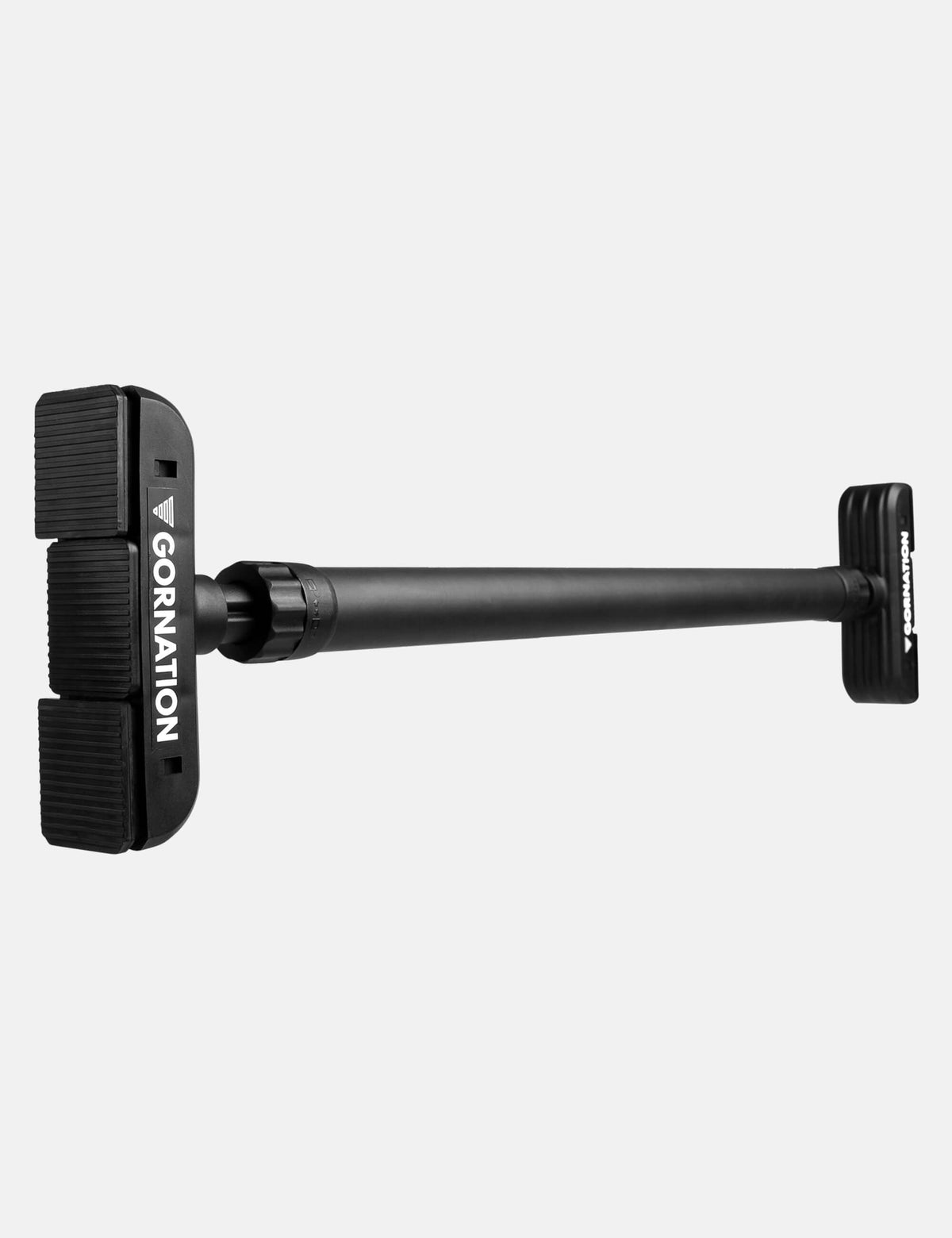
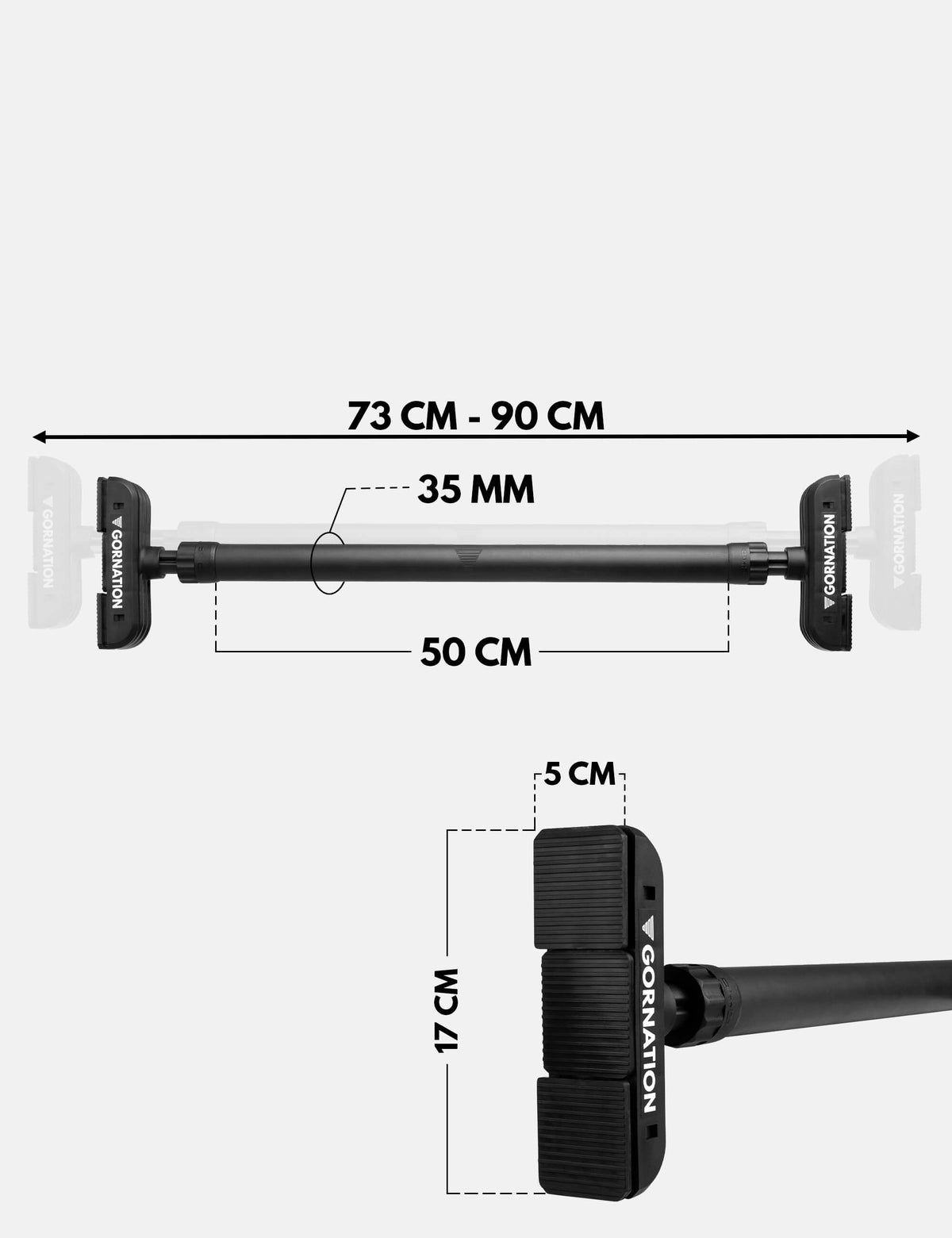
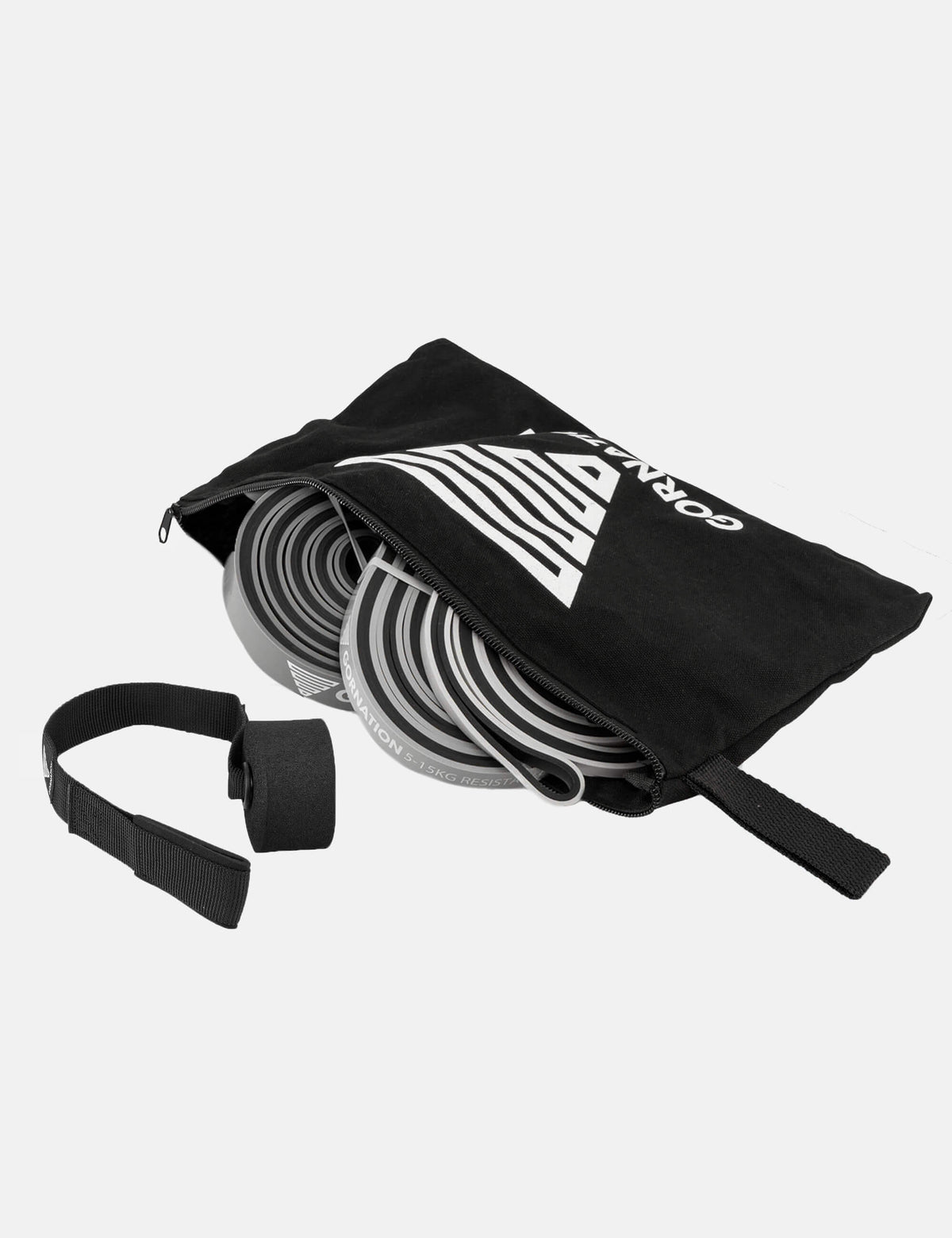
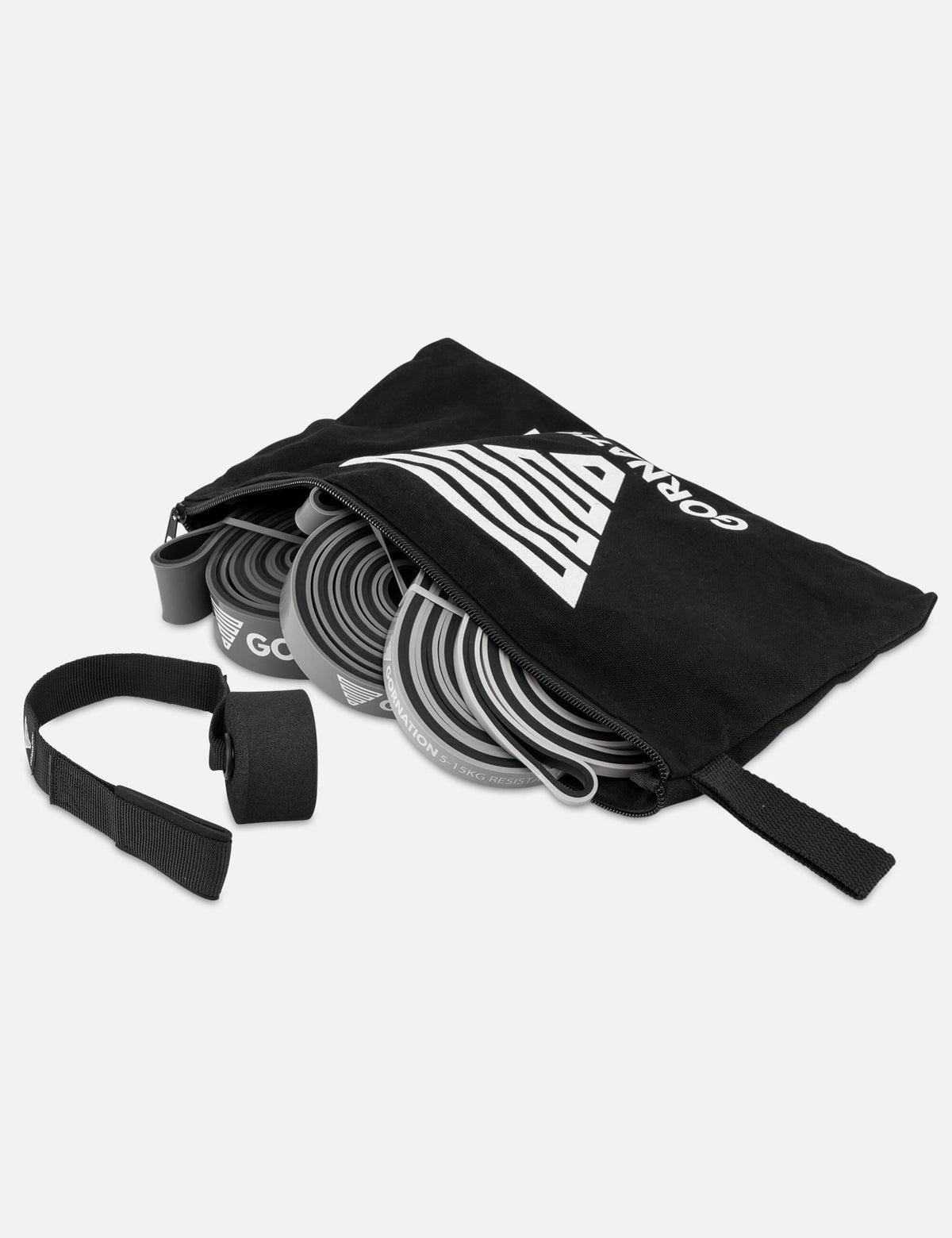
Recommended Equipment for Front Lever Raises


Benefits of the exercise
The Front Lever Raise is one of the best exercises to develop full-body tension and pulling power:
-
Strengthens lats, shoulders, core, and glutes for a strong and stable body line
-
Improves control and balance crucial for static skills like the Front Lever
-
Enhances scapular strength and shoulder stability
-
Increases body awareness and coordination
It’s a key skill progression for athletes aiming to achieve the full Front Lever or improve general calisthenics strength and control.
Main muscles used
The Front Lever Raise mainly targets:
-
Latissimus Dorsi
-
Core muscles (Rectus Abdominis & Obliques)
-
Shoulders (Deltoids)
-
Glutes for maintaining body alignment
-
Forearms and grip for control and stability
Practicing this exercise regularly will significantly improve your body control, strength, and static endurance for advanced calisthenics movements.
If you're looking for other exercises, check out our Youtube video:
Mistakes to avoid
Common mistakes when performing the Front Lever Raise include:
-
Bending at the hips: Keep your body completely straight—avoid turning the movement into a leg raise.
-
Using momentum: Perform each rep slowly and controlled to activate the right muscles.
-
Neglecting scapular engagement: Retract and depress your scapula to protect your shoulders.
-
Looking down or arching your back: Keep your gaze forward and maintain a neutral spine.
-
Skipping negatives: The lowering phase is crucial for building strength and control—don’t rush it.
Focus on slow, clean reps and consistent tension. With proper form and patience, the Front Lever Raise becomes one of the most effective tools for mastering body control and upper-body strength.
Discover more Exercises
Looking for more ways to level up your training? Check out our full exercise overview or try these effective exercises that perfectly complement your training:
Please read our legal disclaimer before starting your workout.