| 7,000+ Reviews
 Free EU Shipping above 100€*
 400,000+ Customers Worldwide
 Worldwide Tracked Shipping

How to do the exercise
The Tucked Front Lever is one of the best progression exercises to build strength and control for the full Front Lever. It develops isometric strength, core stability, and body awareness. Here’s how to perform the Tucked Front Lever correctly:
1. Starting Position
Grab the Dip Bar or the Pull Up Bar with a shoulder-width grip and arms fully extended. Hang with engaged shoulders (scapula depressed and retracted) or start in the Australien Pull Up Position. Then bend your knees and bring them towards your chest, similar to the top position of a knee raise. Keep your core tight and gaze upward.
2. Lifting into Position
Engage your lats and core to lift your body until it is parallel to the ground. Your back should stay straight and your arms locked out. Focus on controlled movement rather than swinging, and avoid bending your arms.
3. Holding the Lever
Maintain the tucked position by keeping your knees close to your chest while holding your body horizontal. Keep your arms straight and scapula engaged. The goal is to hold the position for as long as possible with perfect form.
4. Reset and Repeat
Slowly lower yourself back to the starting position, reset your tension, and repeat. Over time, aim to increase hold duration and progress toward more advanced Front Lever variations.
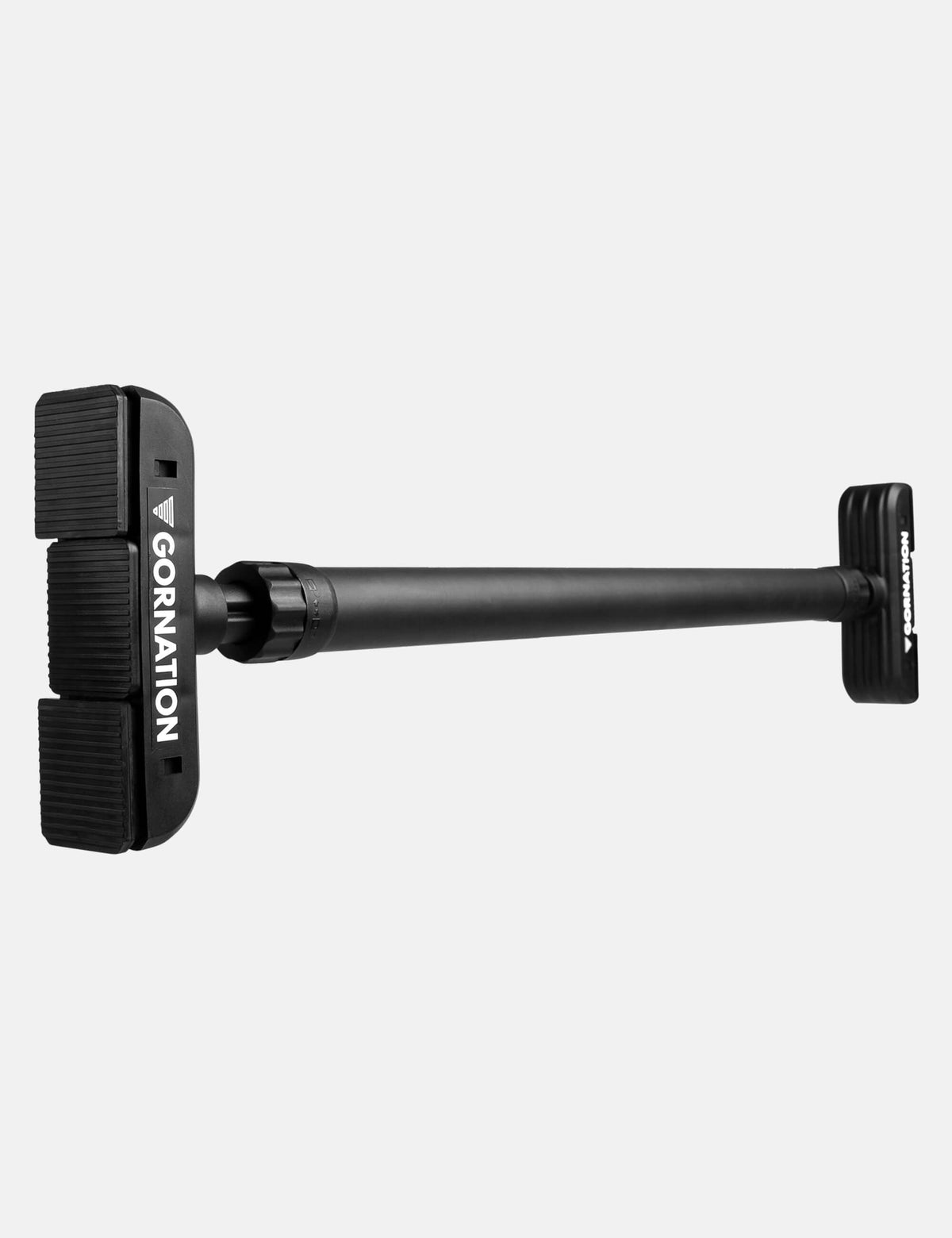
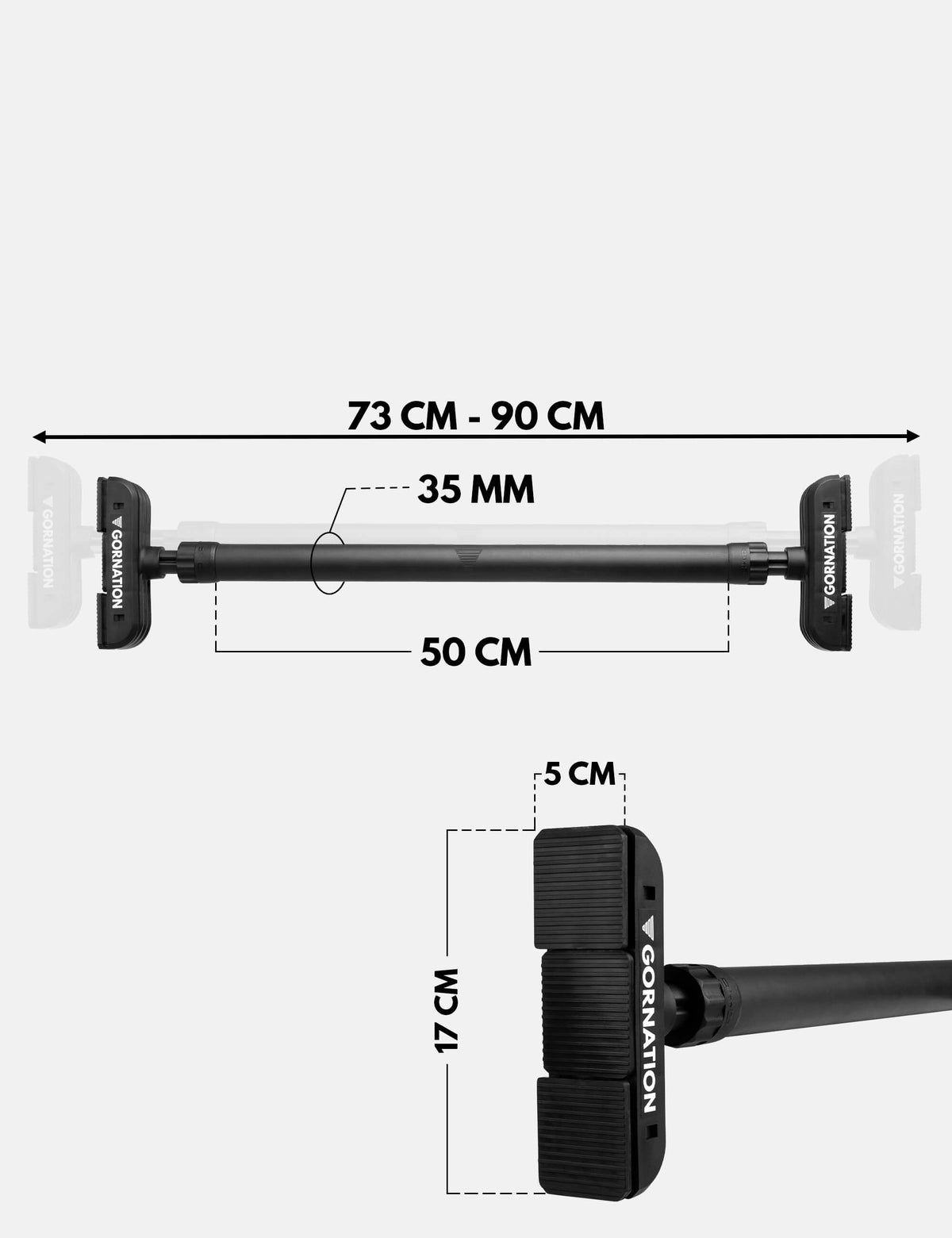
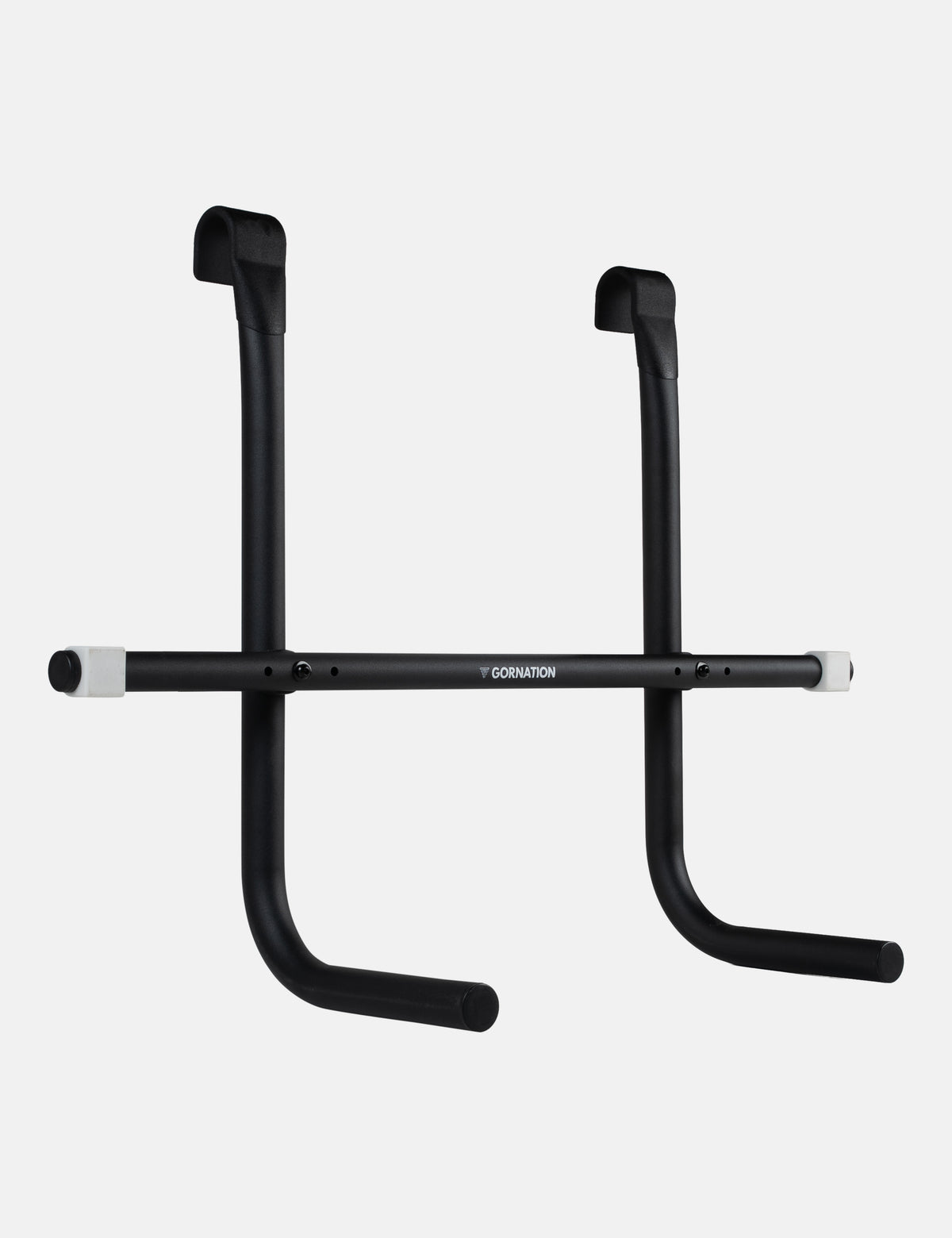
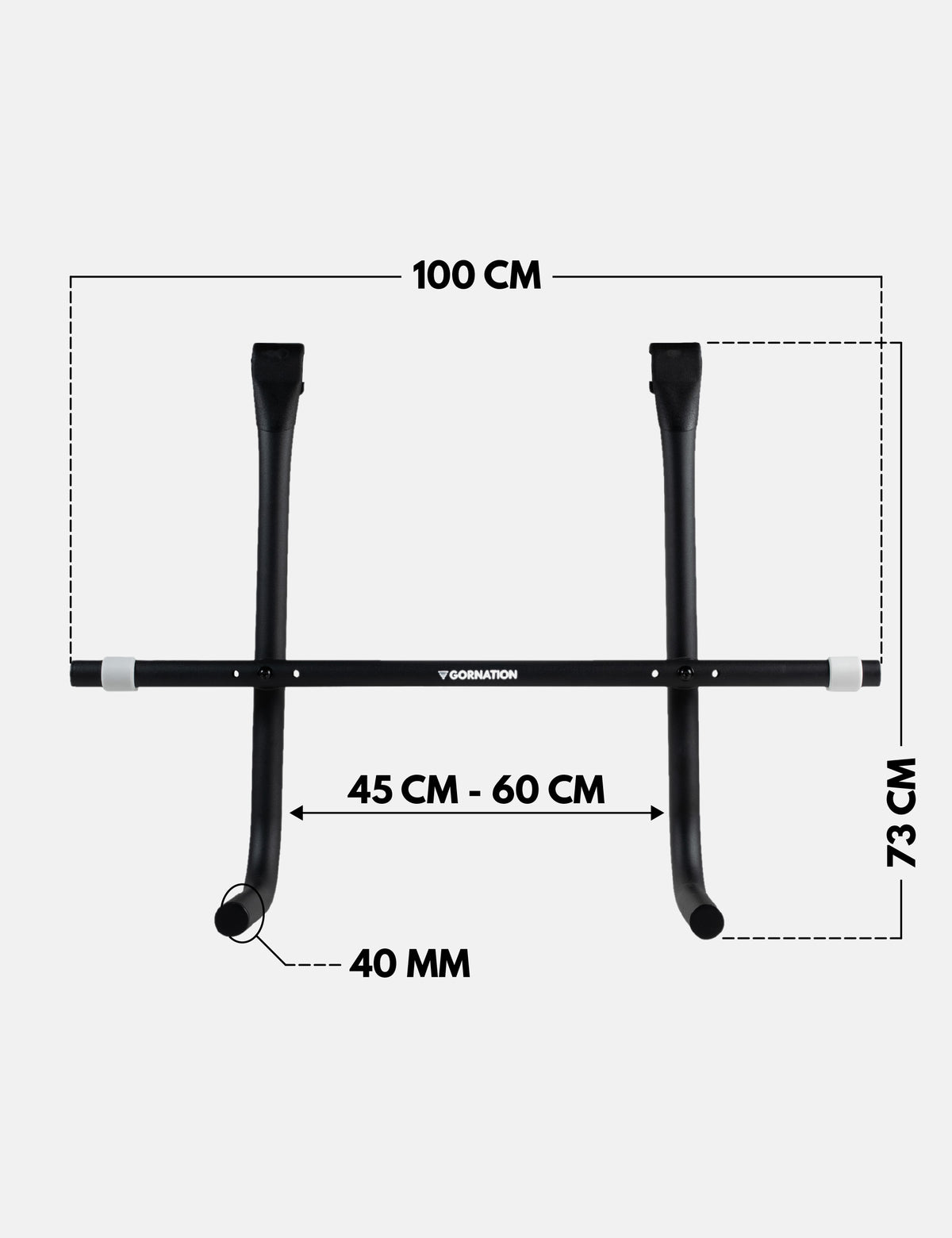
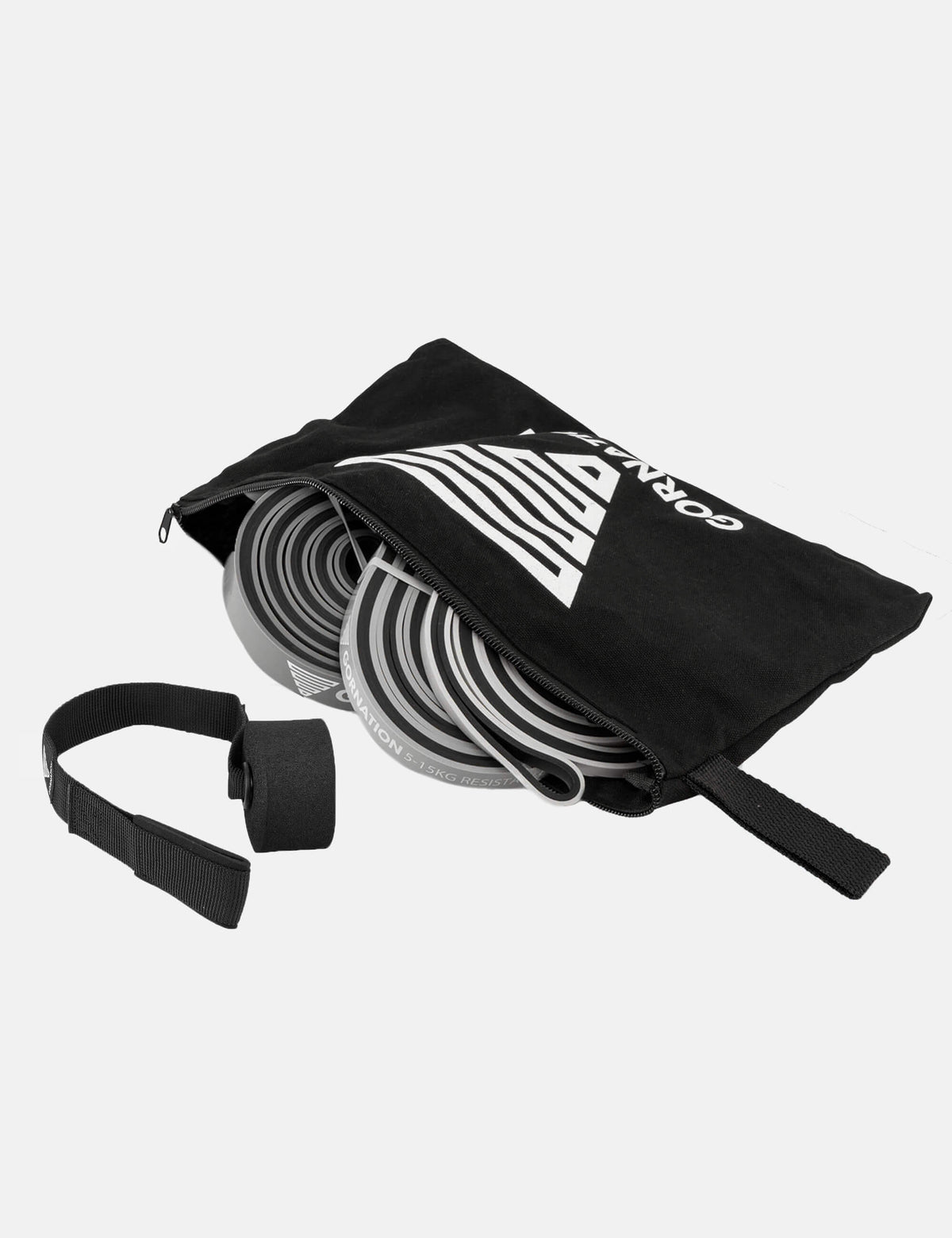
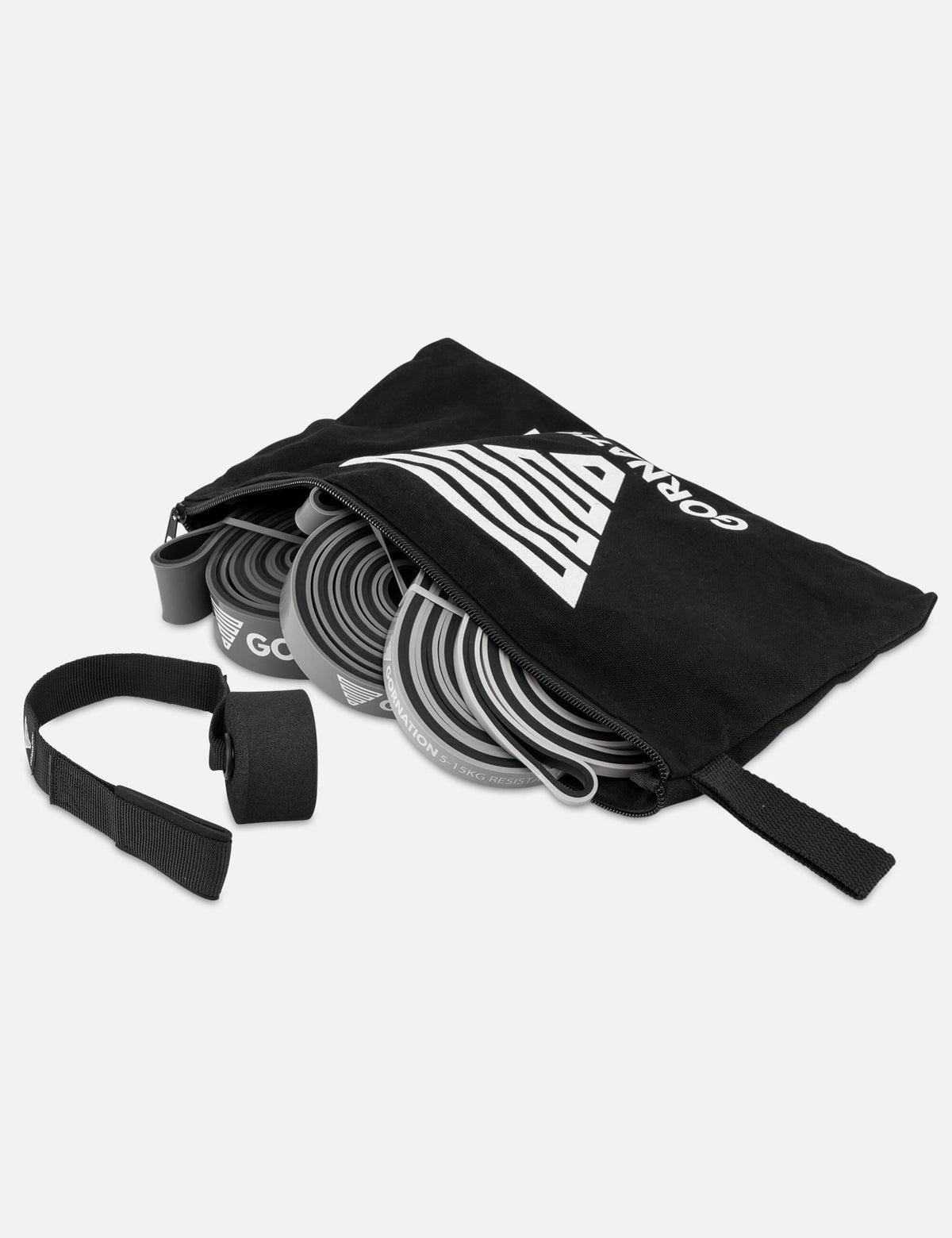
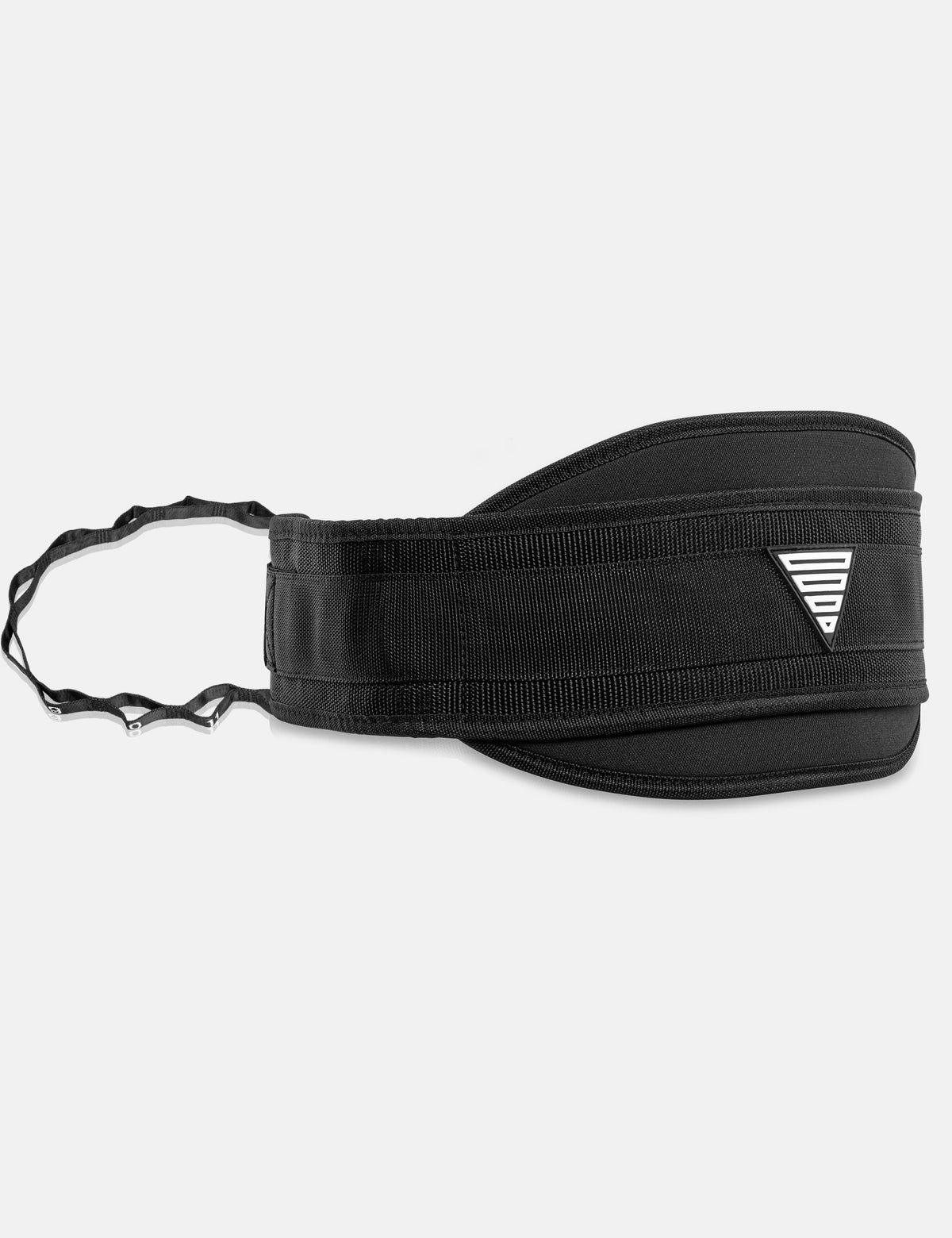
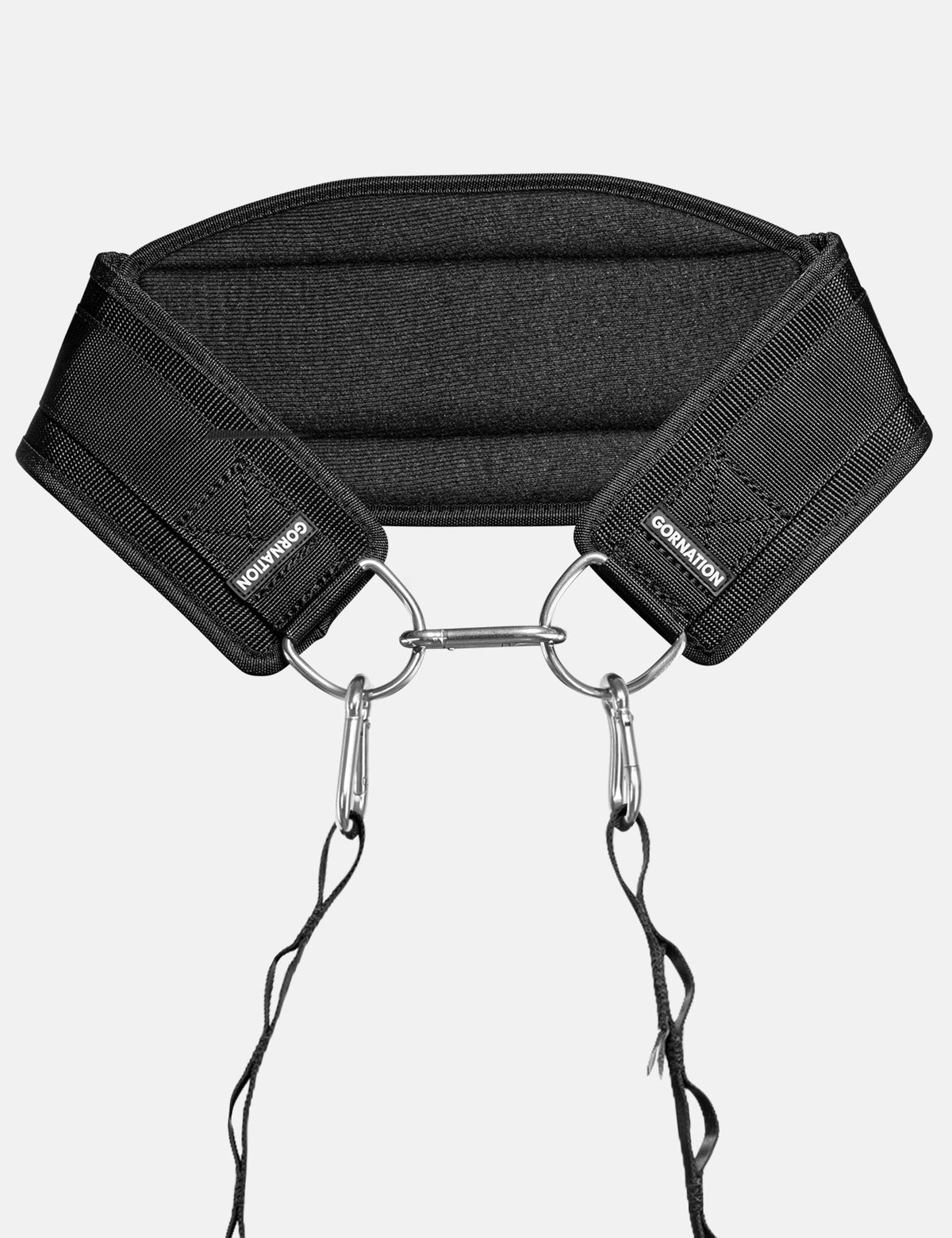
Recommended Equipment for Tucked Front Lever


Benefits of the exercise
The Tucked Front Lever is perfect for progressing toward the full Front Lever:
-
Builds strong lats, biceps, and core for advanced calisthenics skills
-
Improves body control and awareness by holding a static horizontal position
-
Strengthens grip and shoulder stability for pulling movements
-
Serves as a safe and effective stepping stone to harder lever variations
This makes it one of the most effective exercises for athletes aiming to master the Front Lever or improve their overall pulling strength.
Main muscles used
The Tucked Front Lever mainly targets:
-
Latissimus dorsi (Lats)
-
Biceps
-
Core muscles (rectus abdominis, obliques)
-
Forearms & Grip
By practicing this static hold, you develop pulling strength, core stability, and grip endurance essential for advanced calisthenics moves.
If you're looking for other exercises, check out our Youtube video:
Mistakes to avoid
Common mistakes when performing the Tucked Front Lever include:
-
Bending the arms: Keep your arms straight to target the lats and avoid relying on biceps too much.
-
Arching the lower back: Engage your core to maintain a straight line from shoulders to hips.
-
Swinging into position: Enter the lever slowly and controlled instead of using momentum.
-
Not engaging the scapula: Depress and retract shoulders to protect joints and activate the back properly.
-
Looking down: Keep your gaze forward to maintain proper posture and body alignment.
Progress by gradually increasing your hold time and moving step by step to advanced Front Lever variations like the Advanced Tuck, One Leg, and finally the Full Front Lever.
Discover more Exercises
Looking for more ways to level up your training? Check out our full exercise overview or try these effective exercises that perfectly complement your training:
Please read our legal disclaimer before starting your workout.