| 7,000+ Reviews
 Free EU Shipping above 100€*
 400,000+ Customers Worldwide
 Worldwide Tracked Shipping

How to do the exercise
The Glute Bridge is an effective bodyweight exercise to strengthen your glutes and hamstrings. It’s perfect for building a strong posterior chain, improving hip extension, and supporting exercises like squats, deadlifts, and even sprinting. Here’s how to perform the elevated Glute Bridge correctly:
1. Starting position
Lie on your back and place your heels on an elevated surface like a plyo box or bench. Your legs should be almost straight. Keep your arms relaxed next to your body and brace your core. Your upper back stays on the floor while your body forms a straight line from shoulders to heels.
2. Lowering phase
Slowly lower your hips toward the floor in a controlled movement. Keep tension in your glutes and hamstrings throughout the entire range of motion. Don’t just drop down — stay tight and controlled.
3. Driving up
Push through your heels and extend your hips upward until your body forms a straight line again. Focus on squeezing your glutes hard at the top. Avoid overextending your lower back — the movement should come from your hips, not your spine.
4. Repeat
Pause briefly at the top to maximize glute activation, then repeat for your desired number of reps. The exercise can be performed with both heels on the elevation or progressed to a single-leg Glute Bridge for increased intensity and unilateral strength.
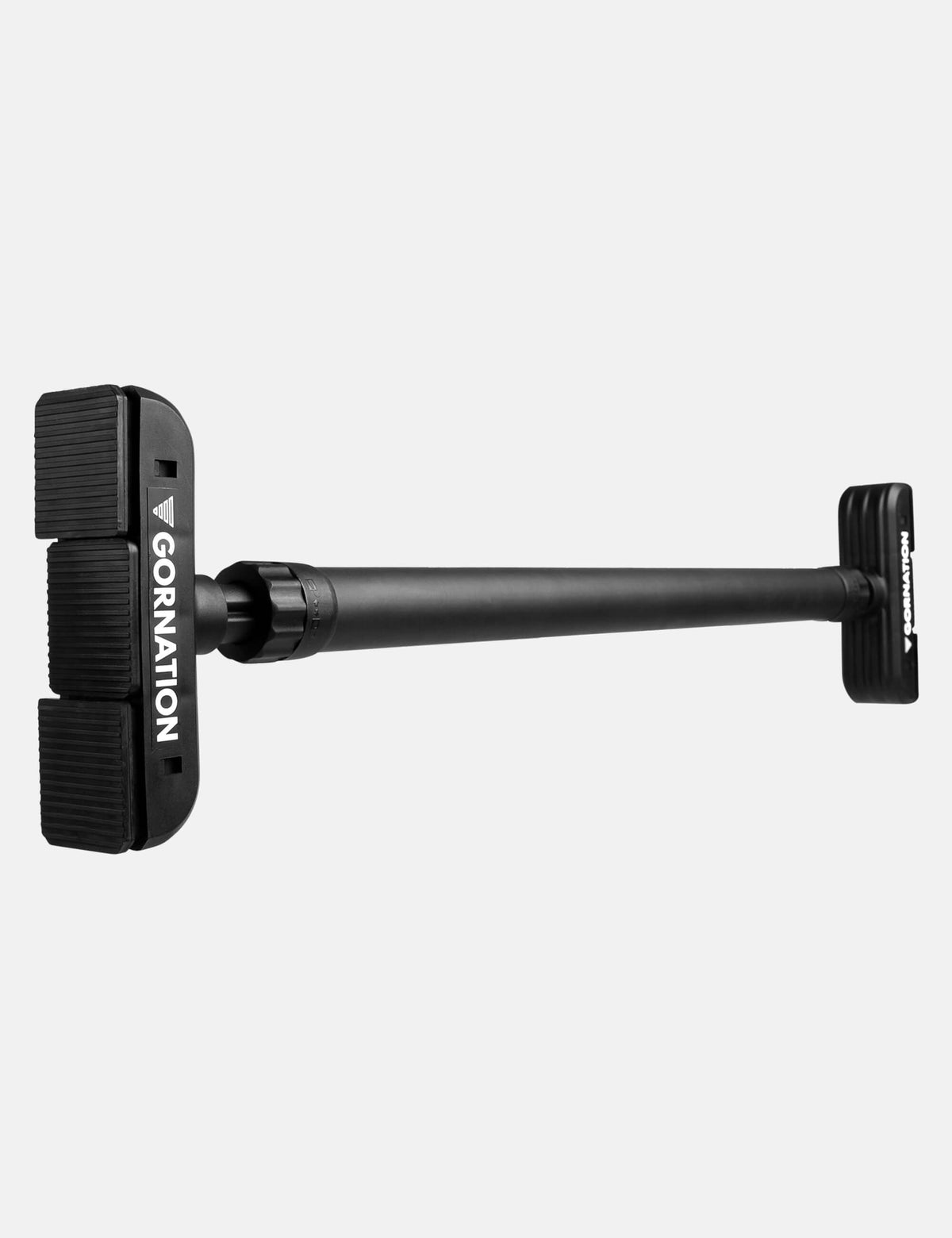
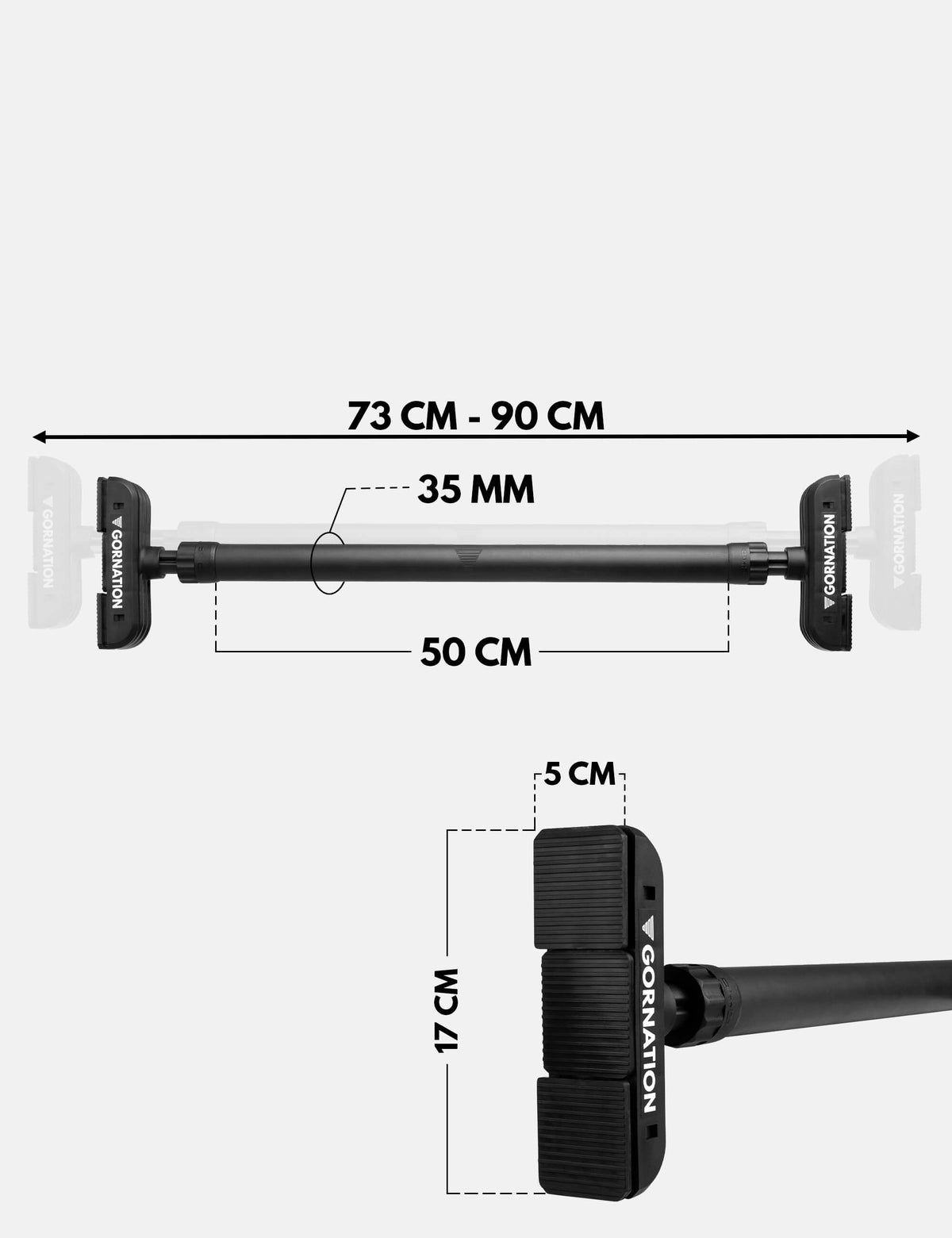
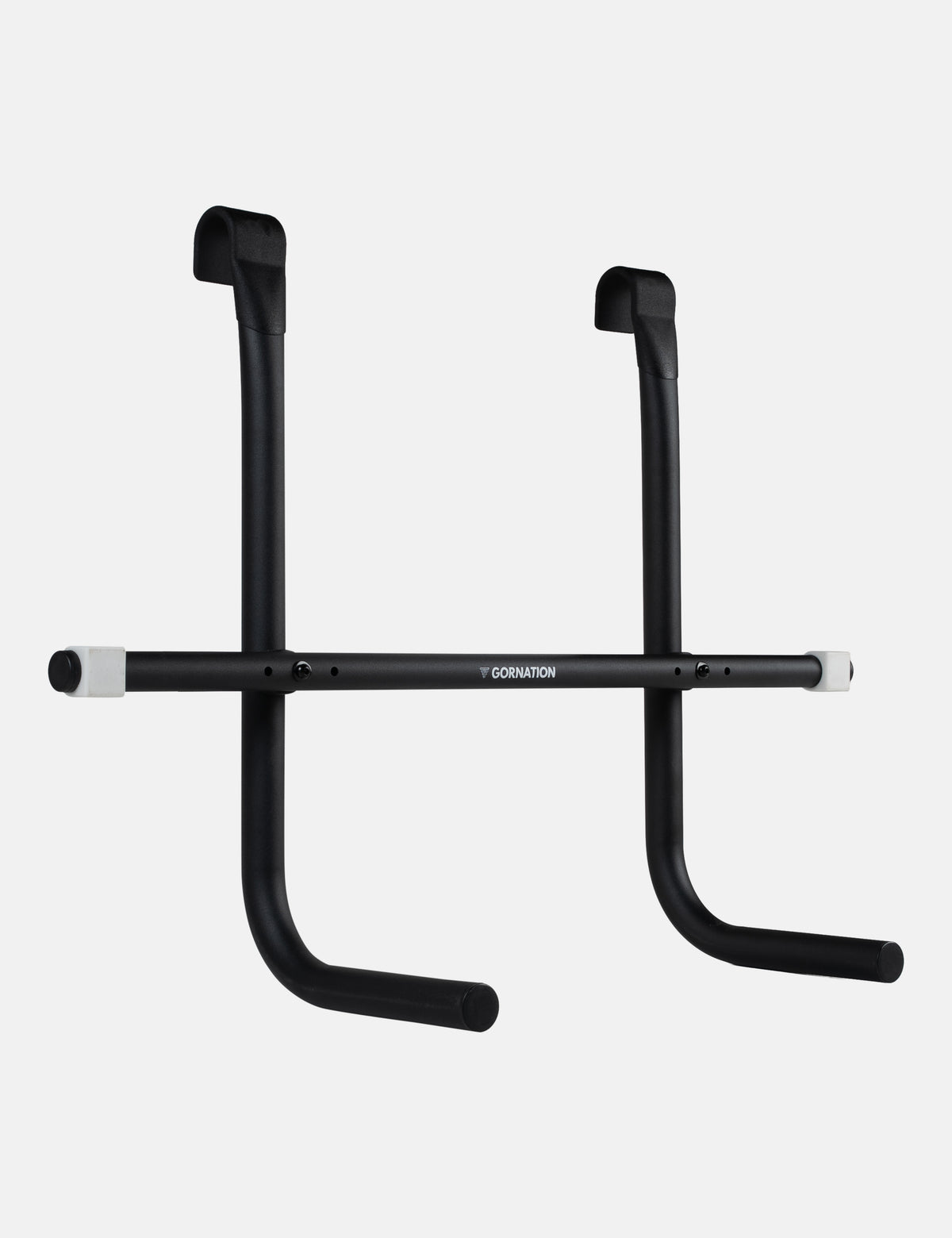
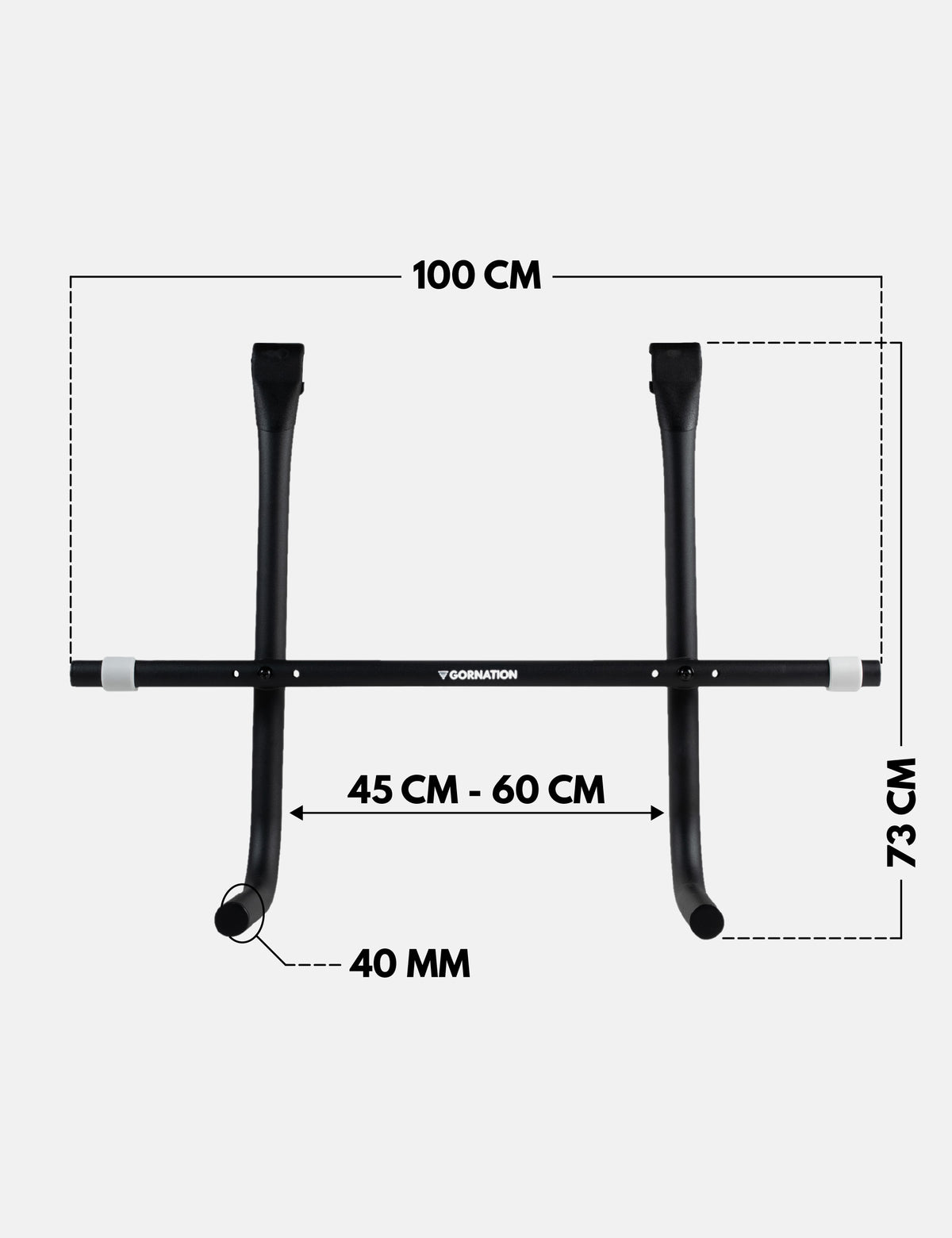
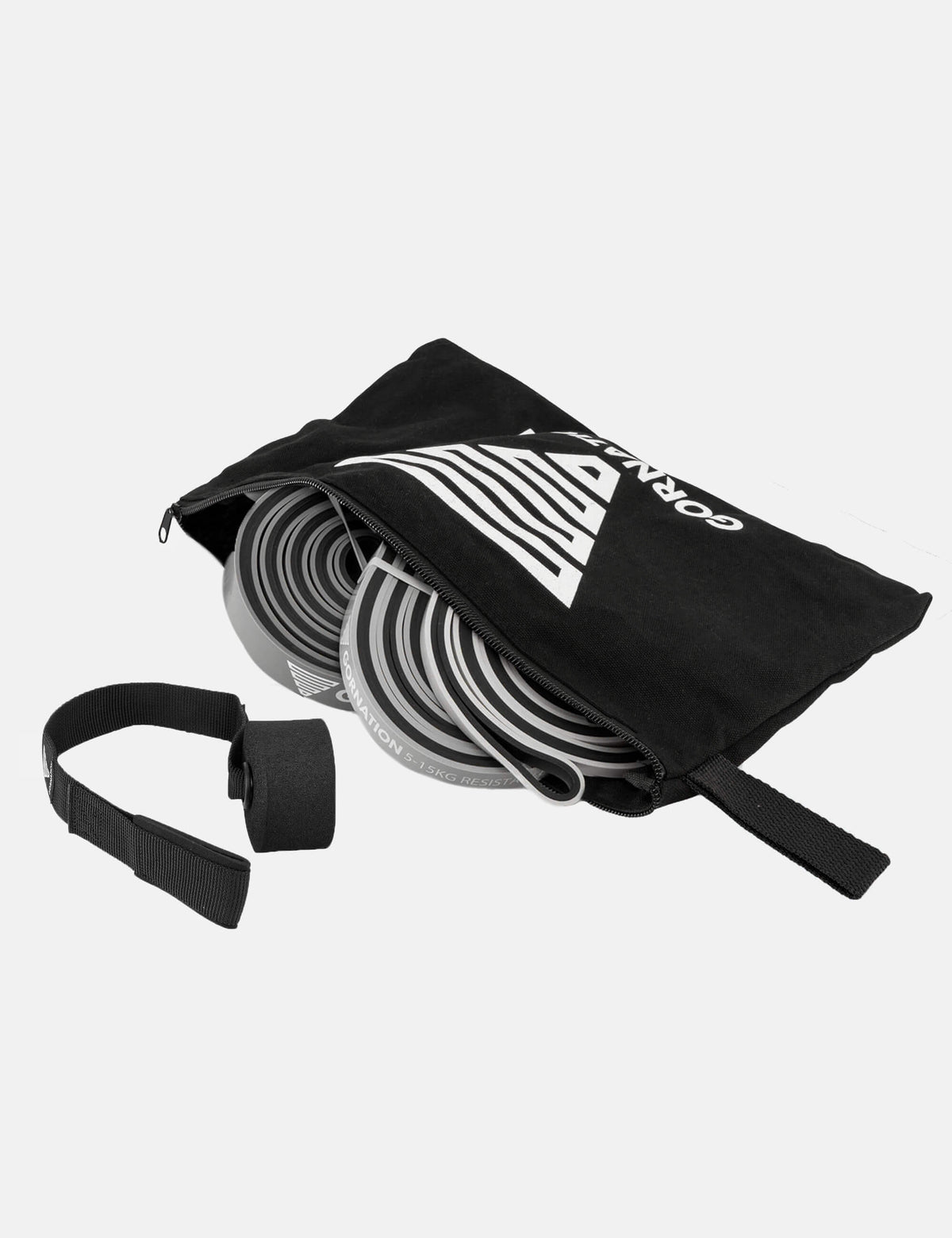
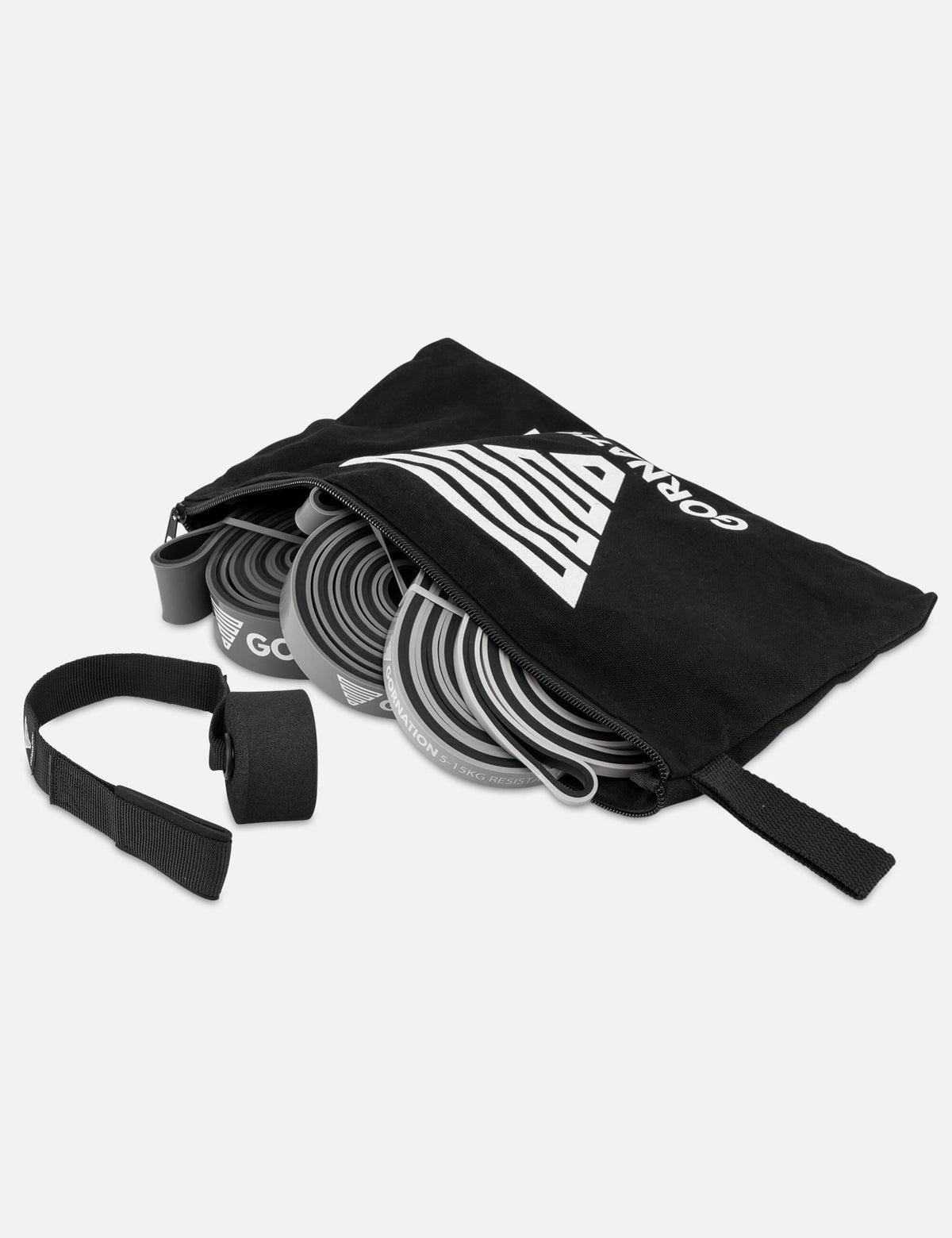
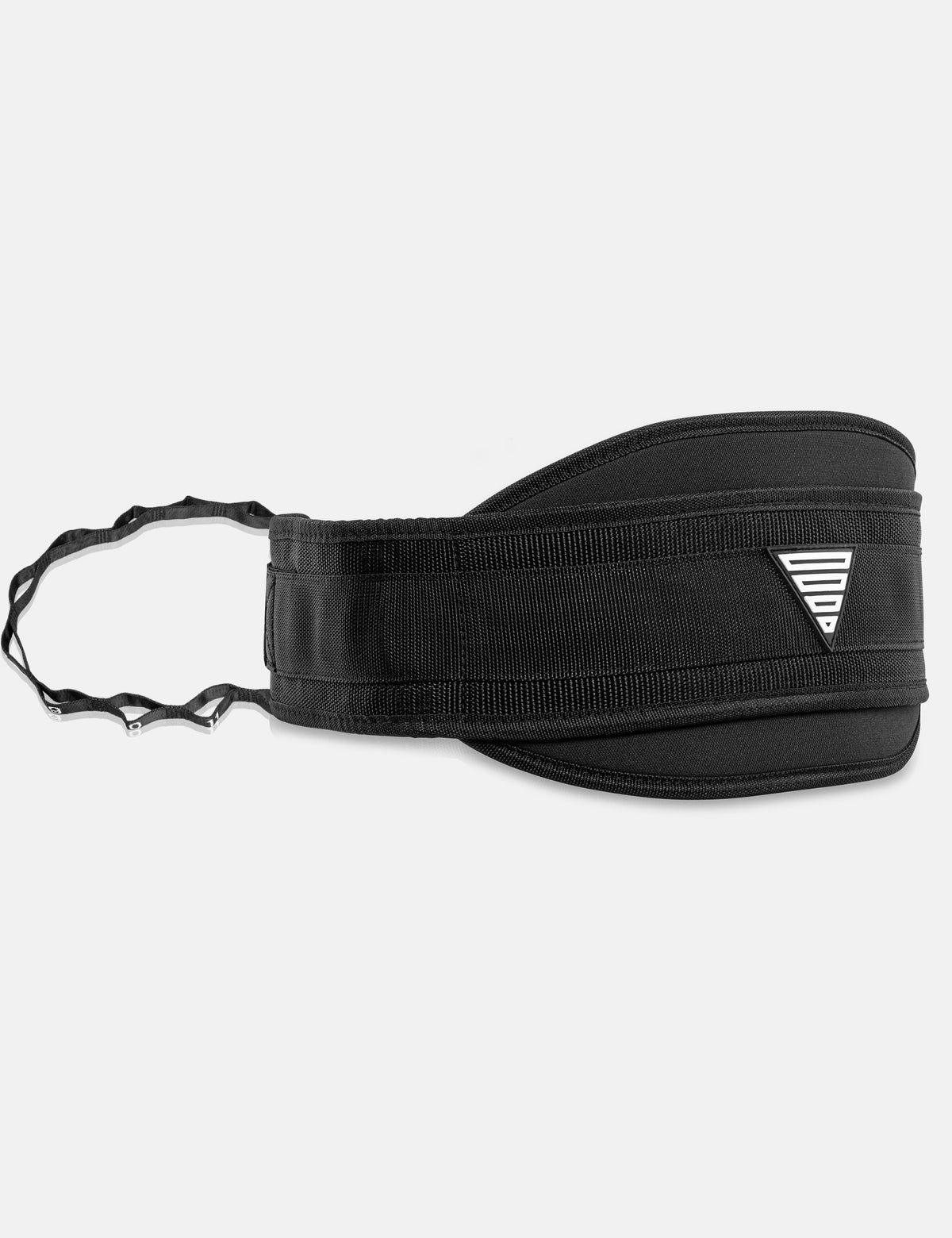
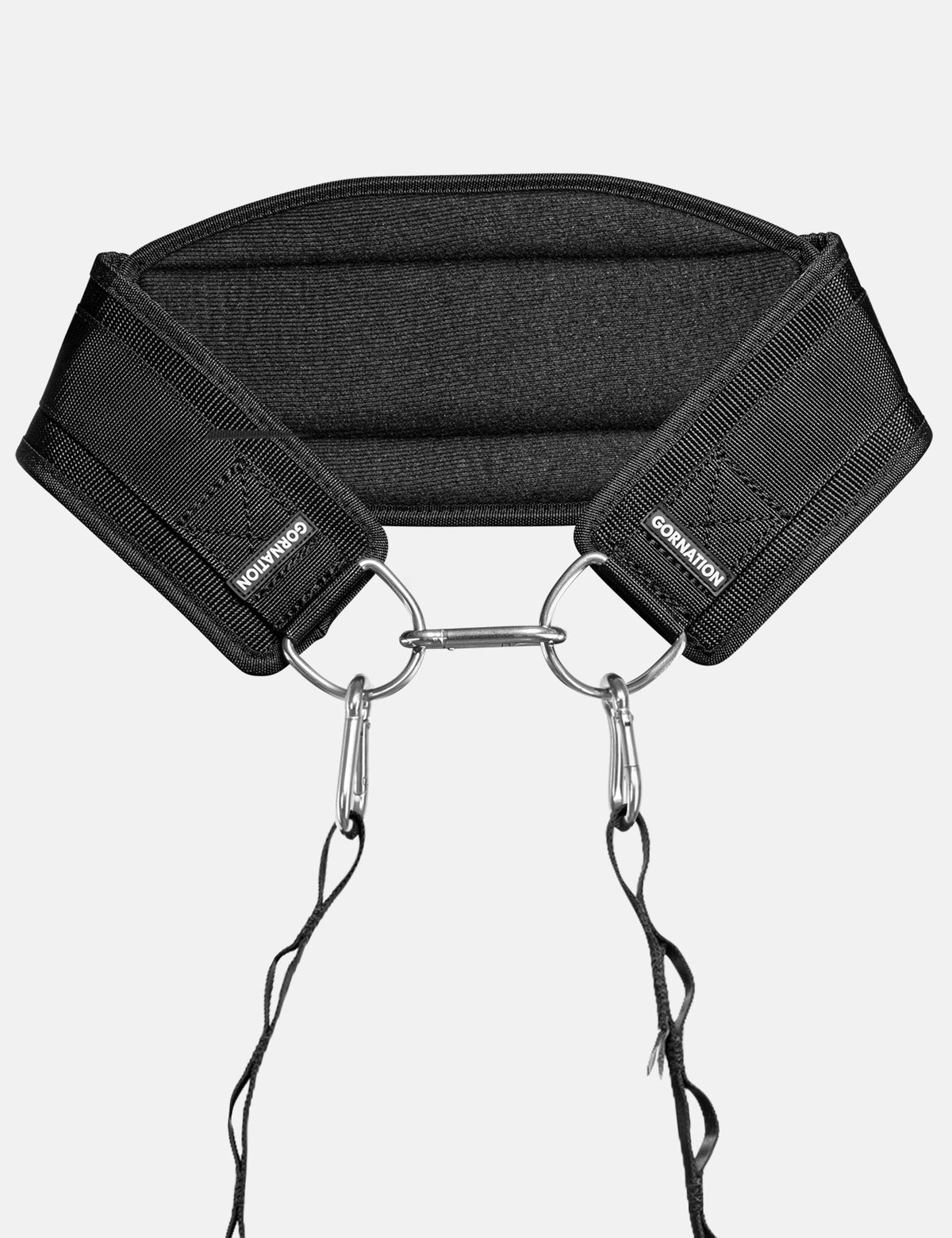
Recommended equipment for Glute Bridges


Main Muscles Worked
The Glute Bridge mainly targets:
-
Gluteus maximus – responsible for powerful hip extension and glute strength
-
Hamstrings – assist in hip extension and stabilize the movement
-
Core muscles – maintain pelvic stability and body tension
-
Erector spinae – support spinal alignment during the lift
Strengthening these muscles improves sprint performance, jumping power, posture, and overall lower body strength. A strong posterior chain is essential for Calisthenics, Street Workout, and heavy leg training.
If you're looking for other exercises, check out our Youtube video:
Common Mistakes
Even though the exercise looks simple, small mistakes can reduce glute activation and increase strain. Watch out for:
-
Overextending the lower back: Don’t arch excessively at the top. Drive through your hips, not your spine.
-
Pushing through the toes: Keep pressure on your heels to properly activate the glutes and hamstrings.
-
Dropping the hips too fast: Control the eccentric phase to maximize muscle tension.
-
Uneven hips (single-leg): Keep your pelvis level to avoid compensation and build balanced strength.
Focus on controlled reps and strong glute contraction. Clean execution will give you stronger glutes, better hip stability, and more power in your training.
Discover more Exercises
Looking for more ways to level up your training? Check out our full exercise overview or try these effective exercises that perfectly complement your training:
Please read our legal disclaimer before starting your workout.