| 7,000+ Reviews
 Free EU Shipping above 100€*
 400,000+ Customers Worldwide
 Worldwide Tracked Shipping

How to do the exercise
The Reversed Leg Raise is an effective bodyweight exercise to strengthen your posterior chain, especially your glutes and hamstrings. It’s perfect for improving hip extension strength, lower back stability, and overall athletic performance. Whether you train Calisthenics, strength training, or just want stronger legs – here’s how to perform the Reversed Leg Raise correctly:
1. Starting position
Lie face down on a bench, plyo box, or similar elevated surface so that your hips are positioned at the edge and your legs hang freely in the air. Keep your upper body stable by holding onto the sides if needed. Engage your core and keep your legs straight.
2. Lowering phase
Start with your legs in line with your body or slightly elevated. Slowly lower your straight legs down toward the floor in a controlled manner. Avoid swinging and keep tension in your glutes and hamstrings throughout the movement.
3. Lifting phase
From the bottom position, actively squeeze your glutes and hamstrings to raise your legs upward as high as possible. Focus on hip extension rather than momentum. Keep your legs straight and your lower back neutral.
4. Repeat
Pause briefly at the top to maximize muscle activation, then lower your legs again with control. Perform the movement slowly and deliberately to get the most out of each repetition.
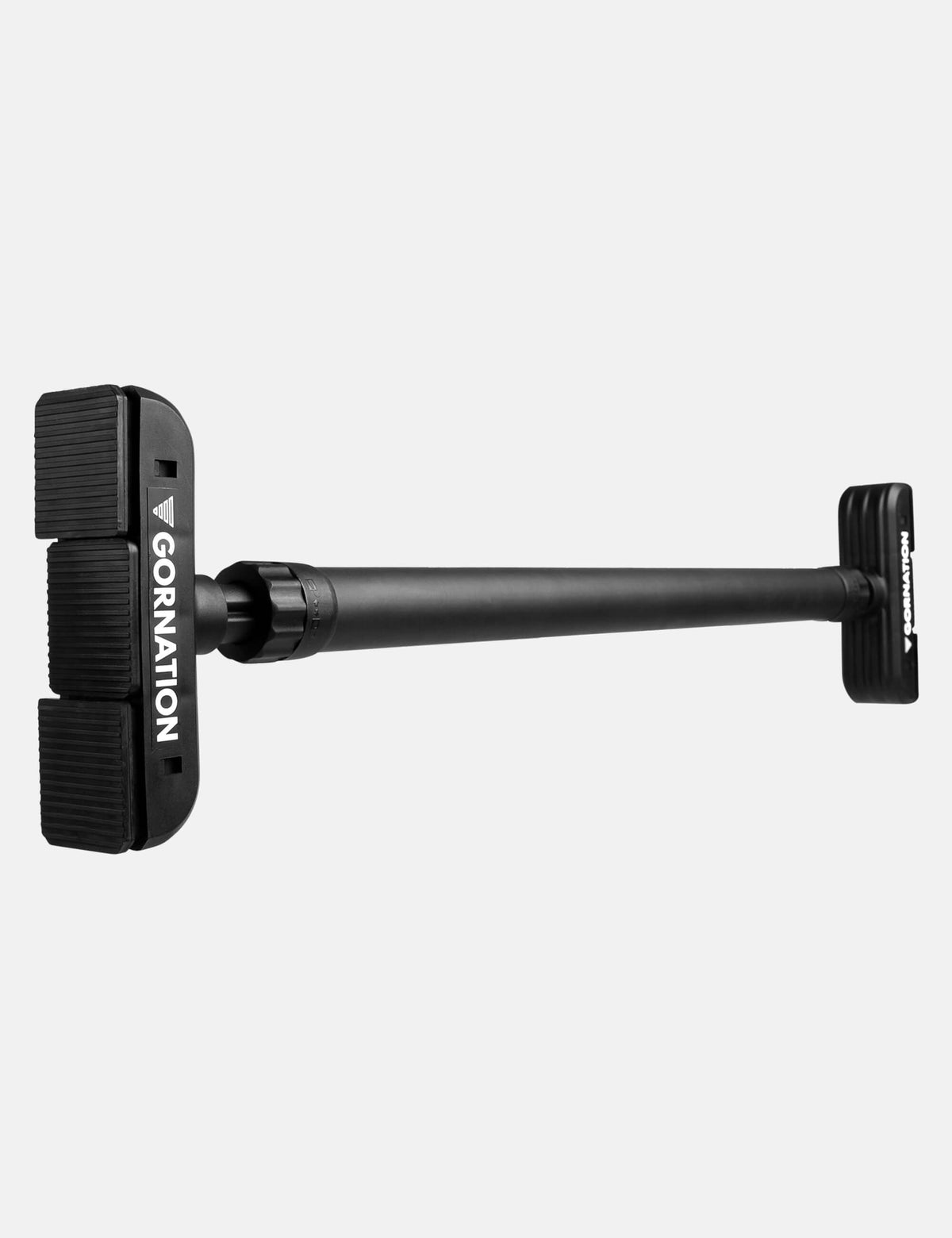
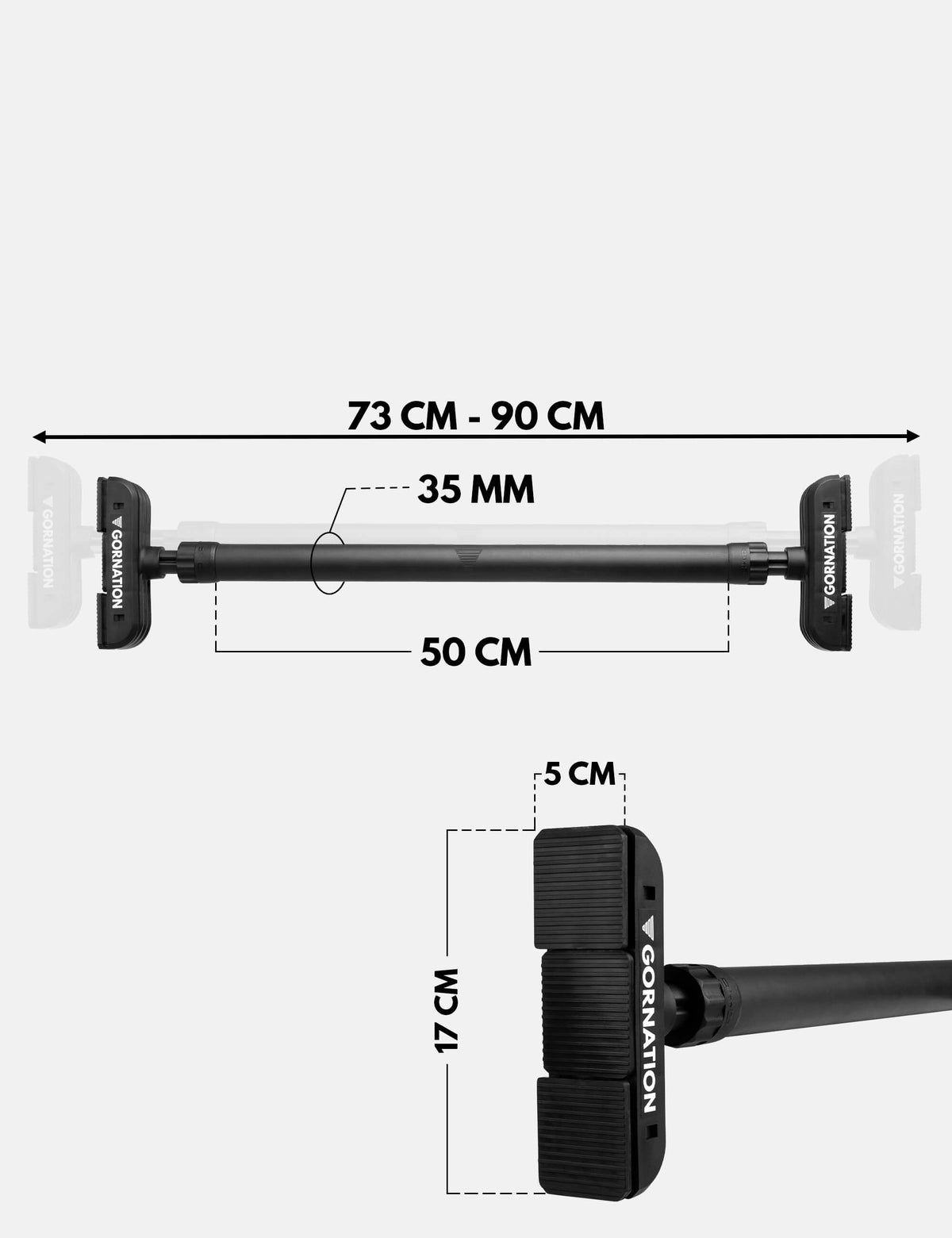
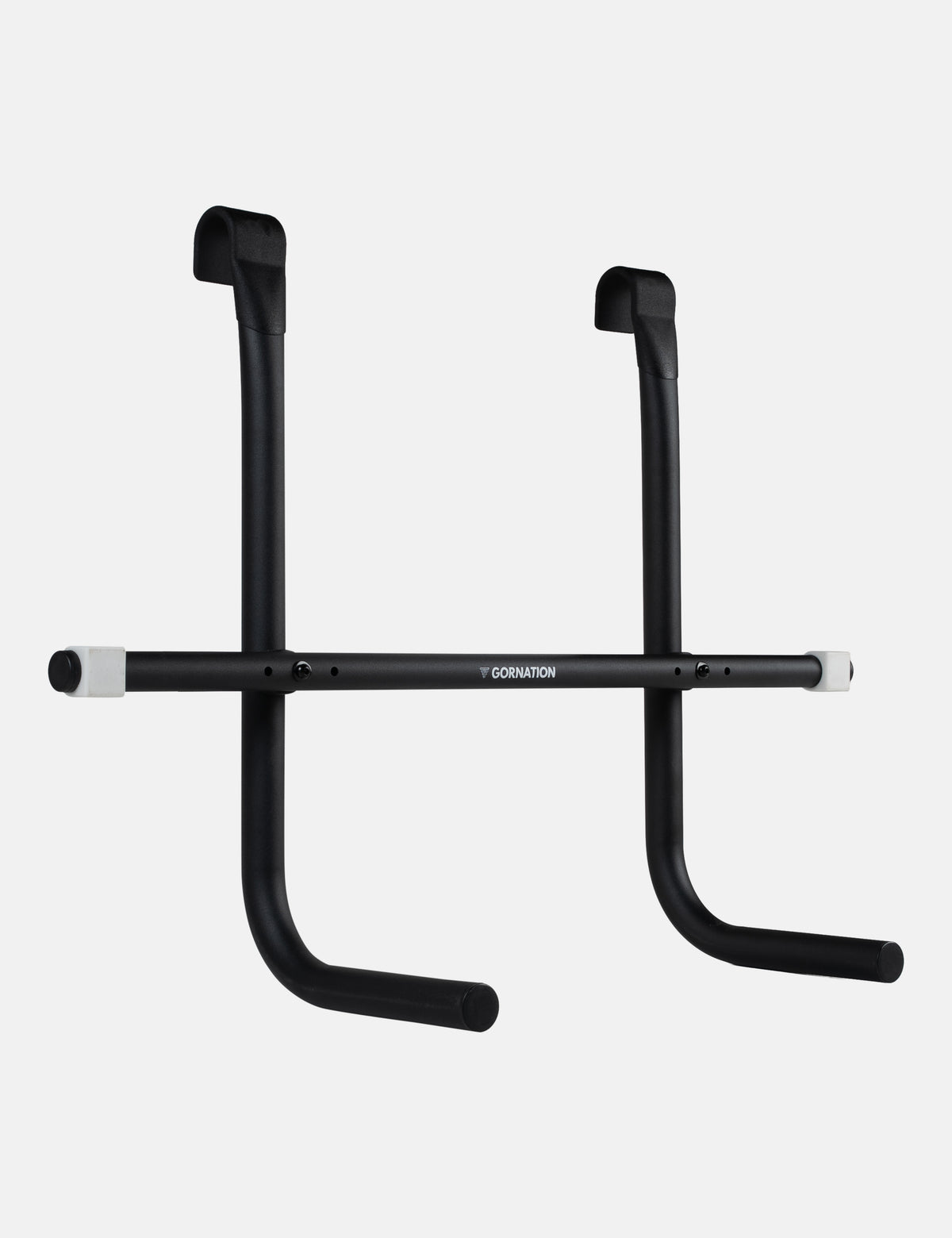
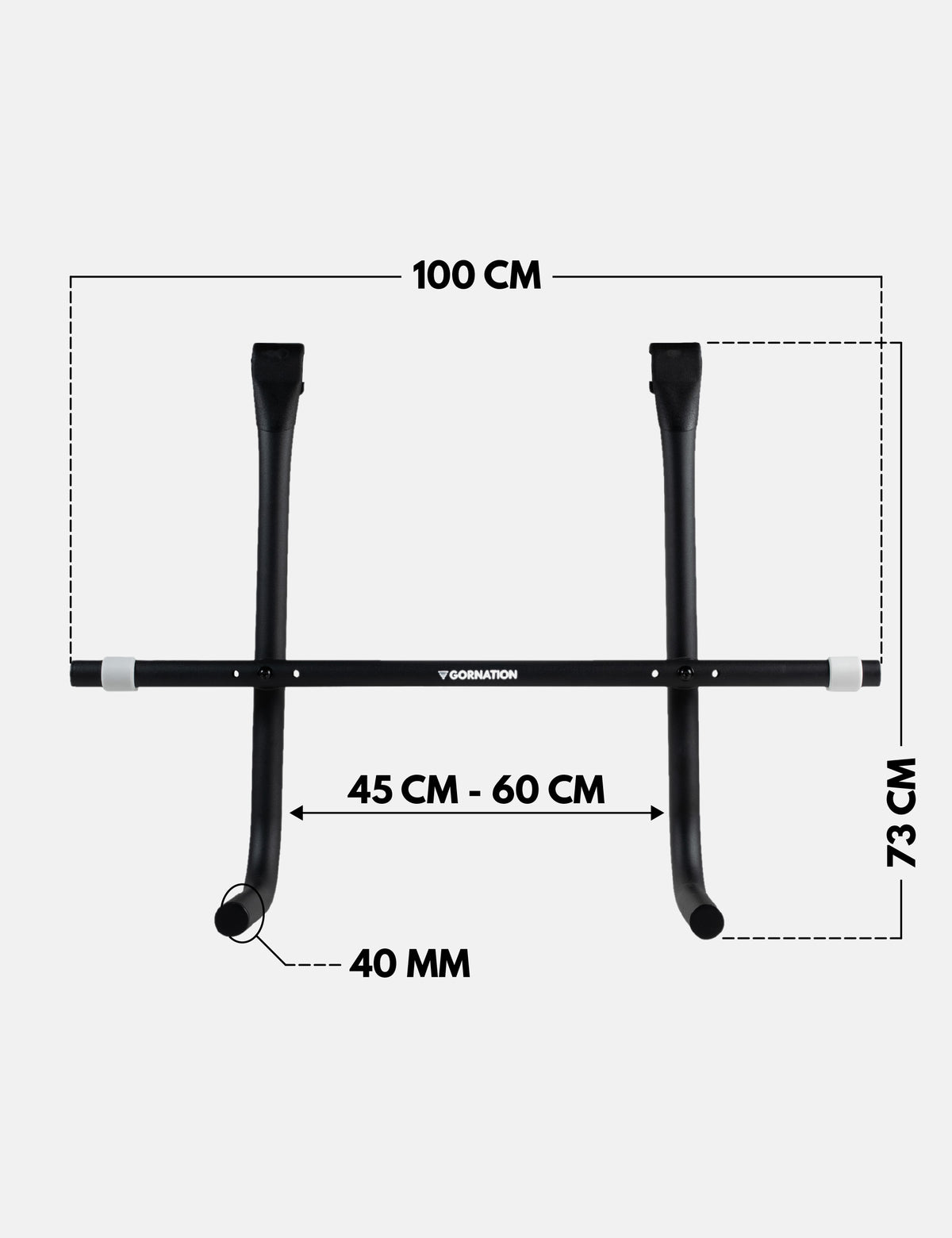
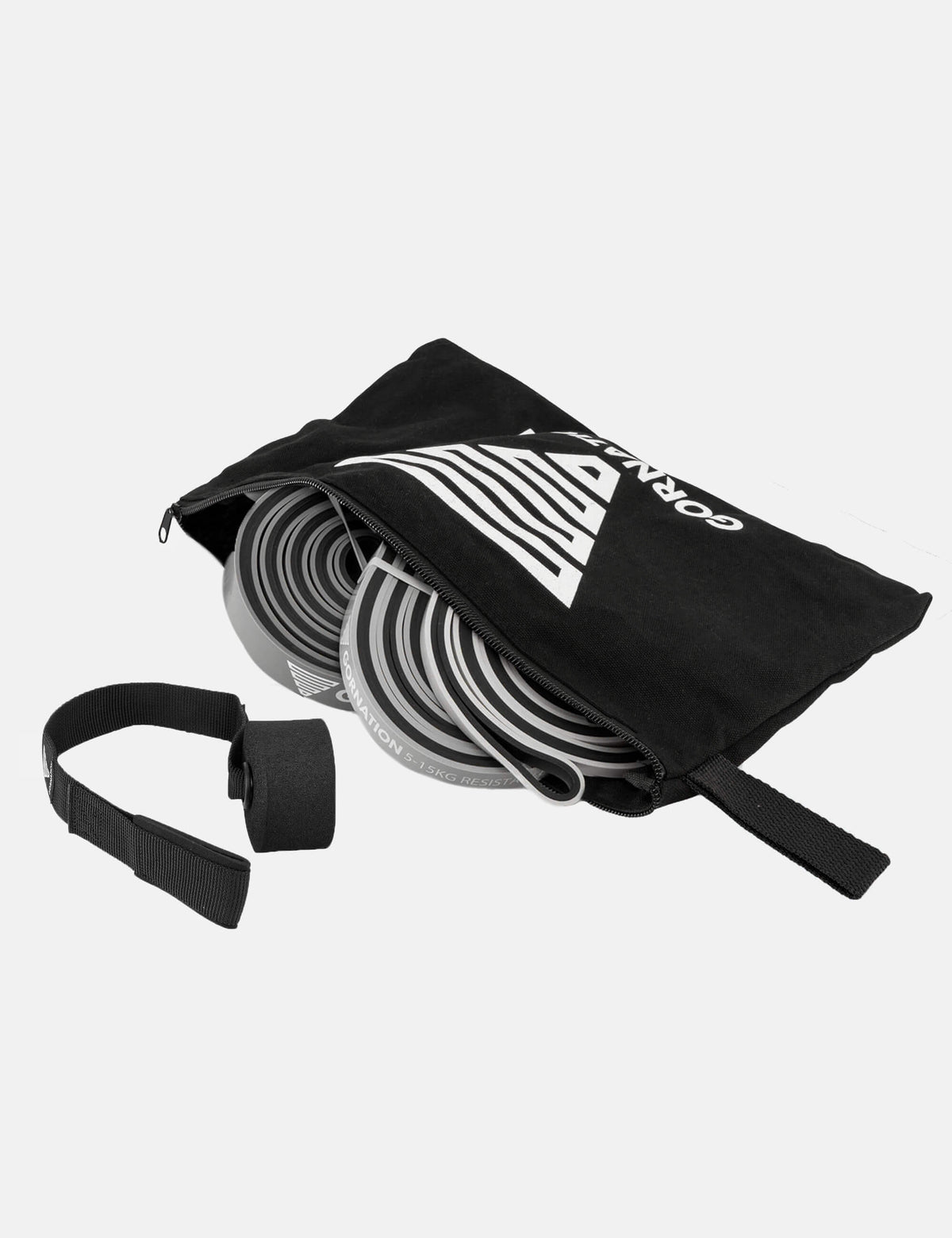
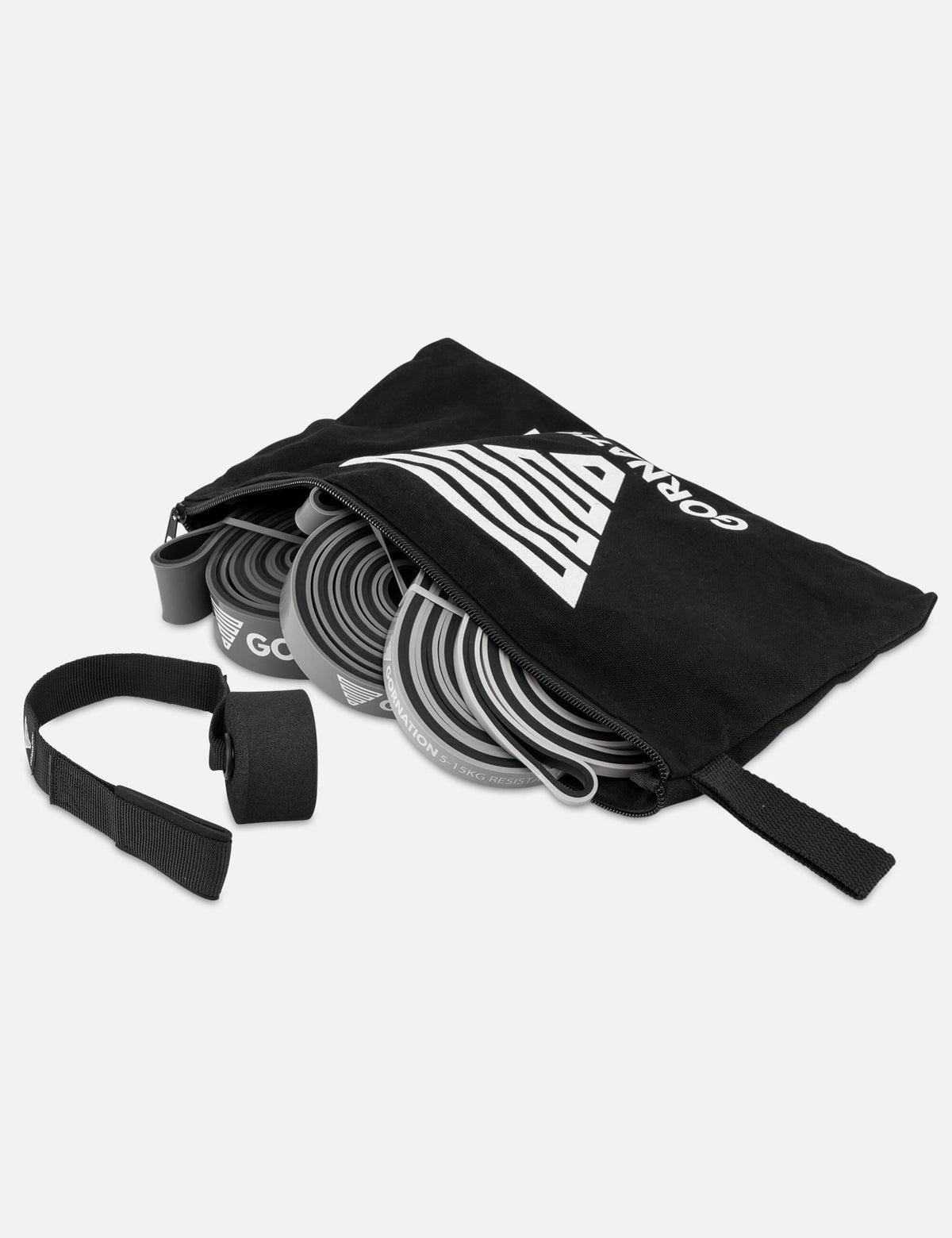
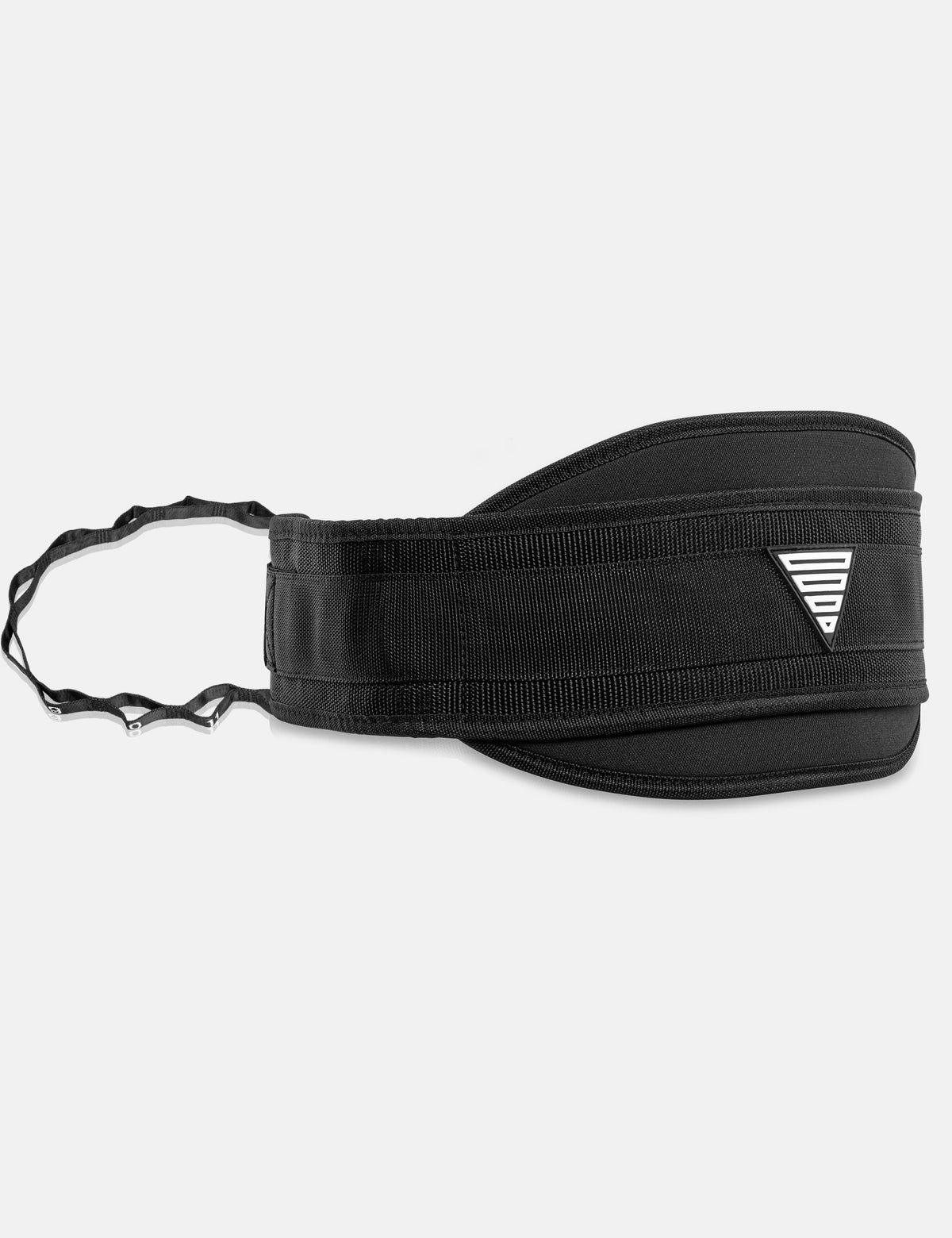
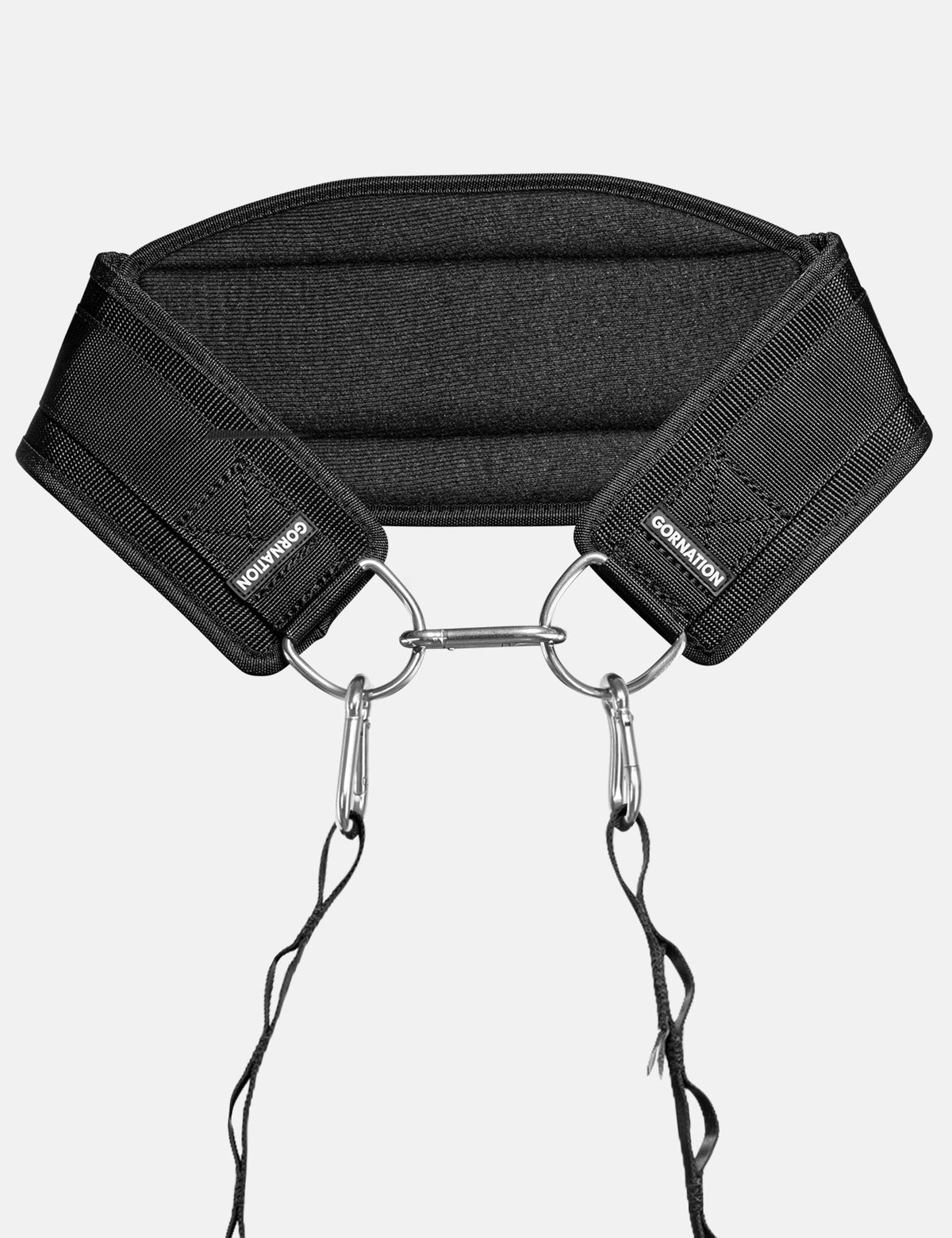
Recommended equipment for Reversed Leg Raises


Main Muscles Worked
The Reversed Leg Raise mainly targets:
-
Gluteus maximus – responsible for powerful hip extension
-
Hamstrings – assist in lifting and controlling the legs
-
Erector spinae – stabilize the lower back during the movement
-
Core muscles – maintain tension and prevent excessive arching
Strengthening these muscles improves sprinting performance, jumping power, and overall posterior chain strength while reducing the risk of lower back injuries.
If you're looking for other exercises, check out our Youtube video:
Common Mistakes
Even though the exercise looks simple, proper execution is key. Watch out for:
-
Using momentum: Swinging your legs reduces glute activation and shifts stress to the lower back.
-
Bending your knees: Keep your legs straight to maximize hamstring and glute engagement.
-
Overarching your lower back: Focus on controlled hip movement instead of excessive spinal extension.
-
Incomplete range of motion: Lower and lift your legs fully to get the maximum training effect.
Train with control and intention – clean technique will build stronger glutes, healthier hips, and a more powerful posterior chain in the long run.
Discover more Exercises
Looking for more ways to level up your training? Check out our full exercise overview or try these effective exercises that perfectly complement your training:
Please read our legal disclaimer before starting your workout.