| 7,000+ Reviews
 Free EU Shipping above 100€*
 400,000+ Customers Worldwide
 Worldwide Tracked Shipping

How to do the exercise
The Single Leg Hip Thrust is a powerful lower body exercise that targets your glutes and posterior chain. By training one leg at a time, you improve strength, balance, and muscle activation while reducing strength imbalances between both sides. It’s a great addition to any Calisthenics or strength workout focused on building stronger glutes and hamstrings. Here’s how to perform the Single Leg Hip Thrust correctly:
1. Starting position
Sit on the floor with your upper back resting against a plyo box or bench. Place one foot firmly on the ground so your knee forms roughly a 90-degree angle. Extend your other leg straight out in front of you. Keep your core engaged and your shoulders stable on the bench.
2. Lowering phase
Slowly lower your hips toward the floor while keeping your extended leg straight. Maintain control throughout the movement and keep your grounded foot stable so your knee stays aligned with your toes.
3. Hip drive
Push through the heel of the foot on the ground and drive your hips upward. Squeeze your glutes at the top of the movement until your torso and thigh form a straight line parallel to the floor. Avoid arching your lower back and keep the movement controlled.
4. Repeat
Pause briefly at the top to maximize glute activation, then slowly lower your hips again. Perform your desired number of repetitions before switching legs. Focus on controlled reps and strong glute engagement for the best results.
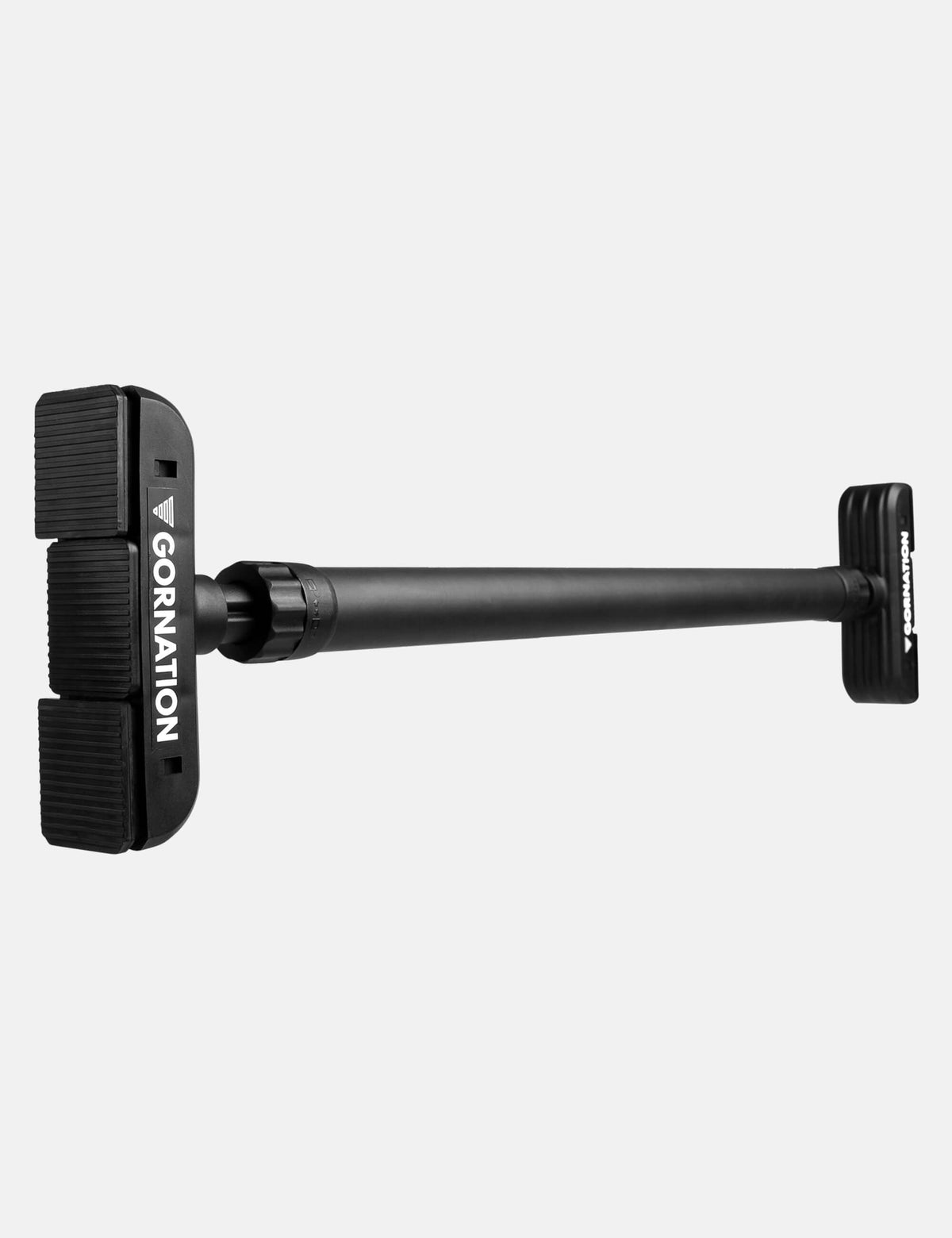
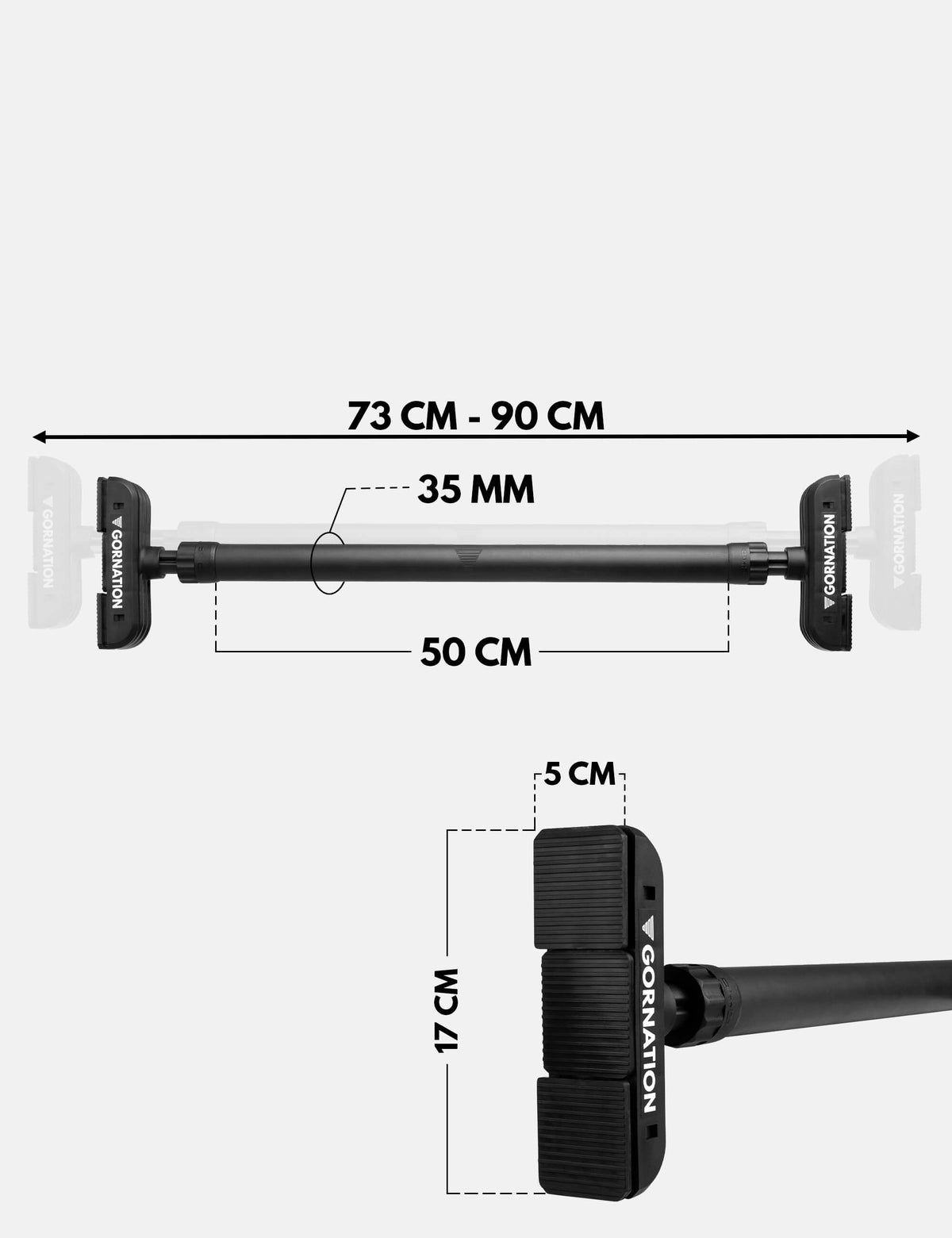
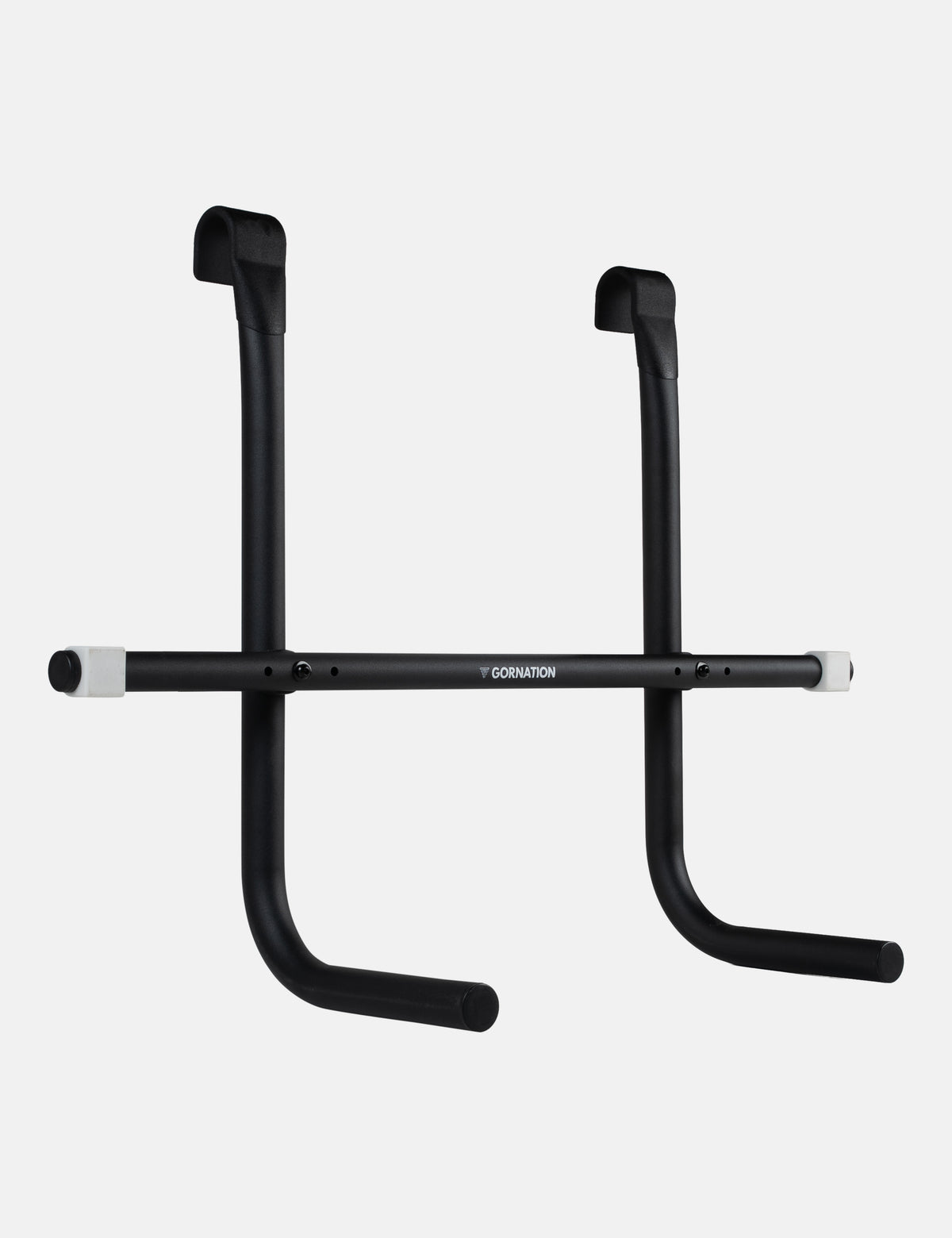
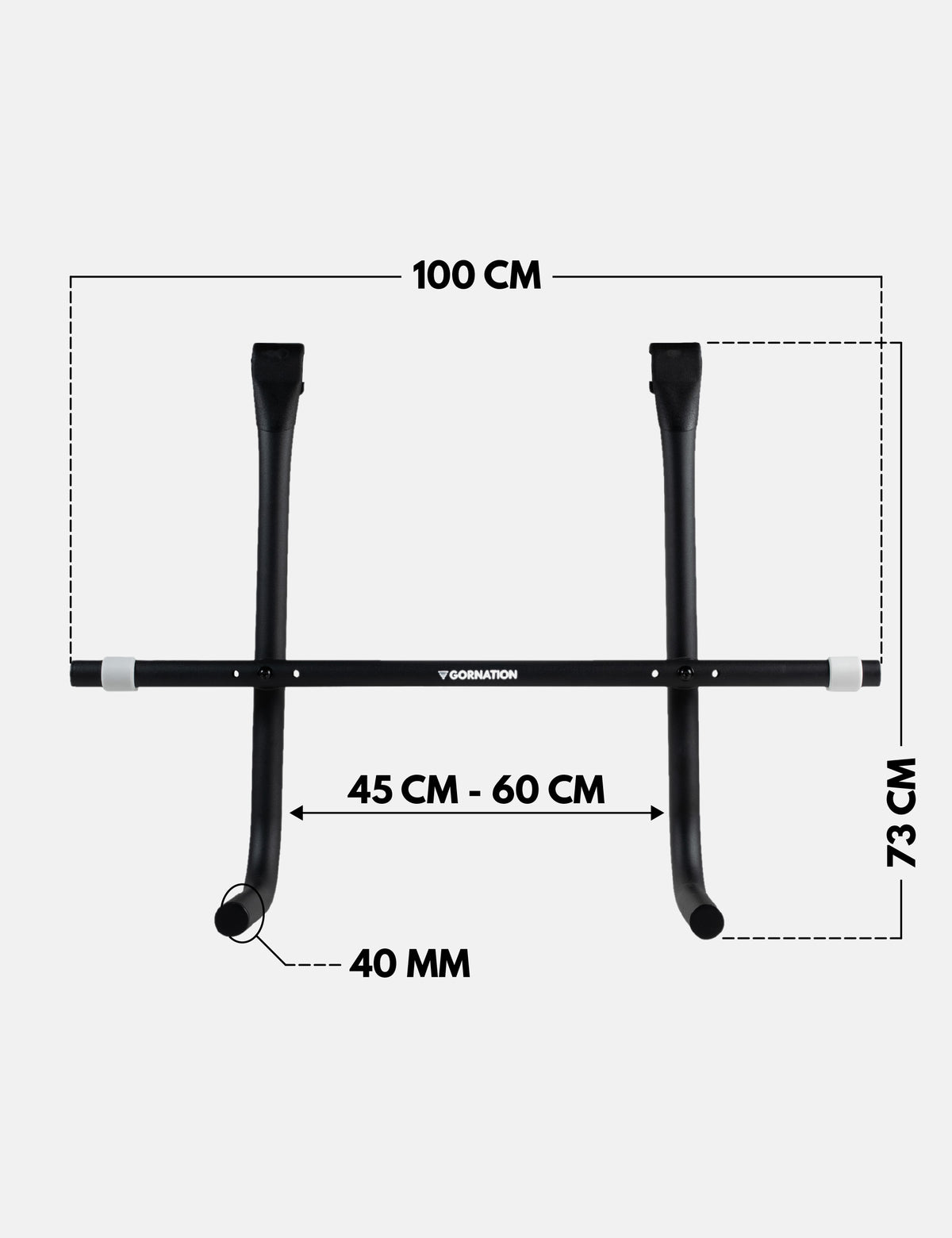
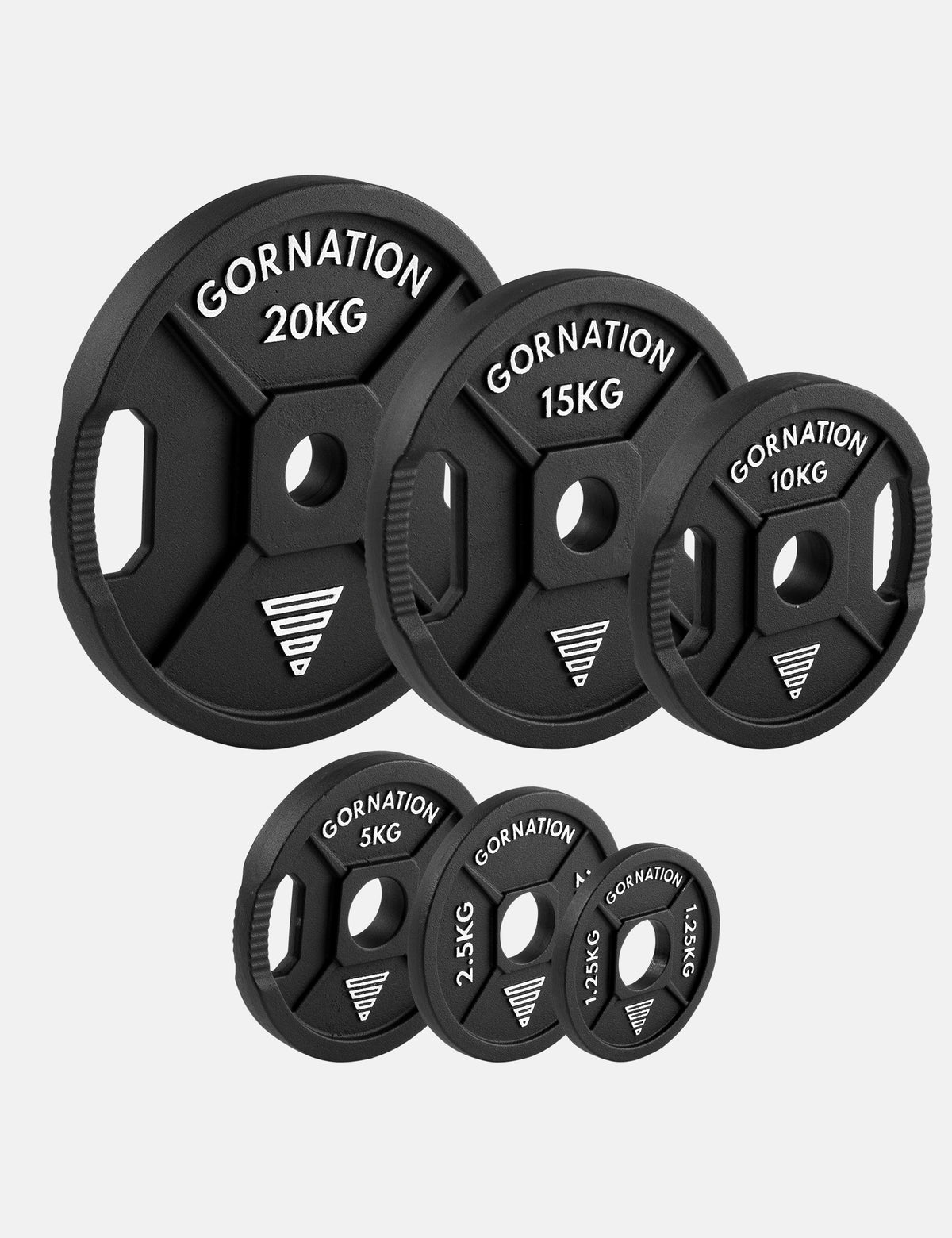
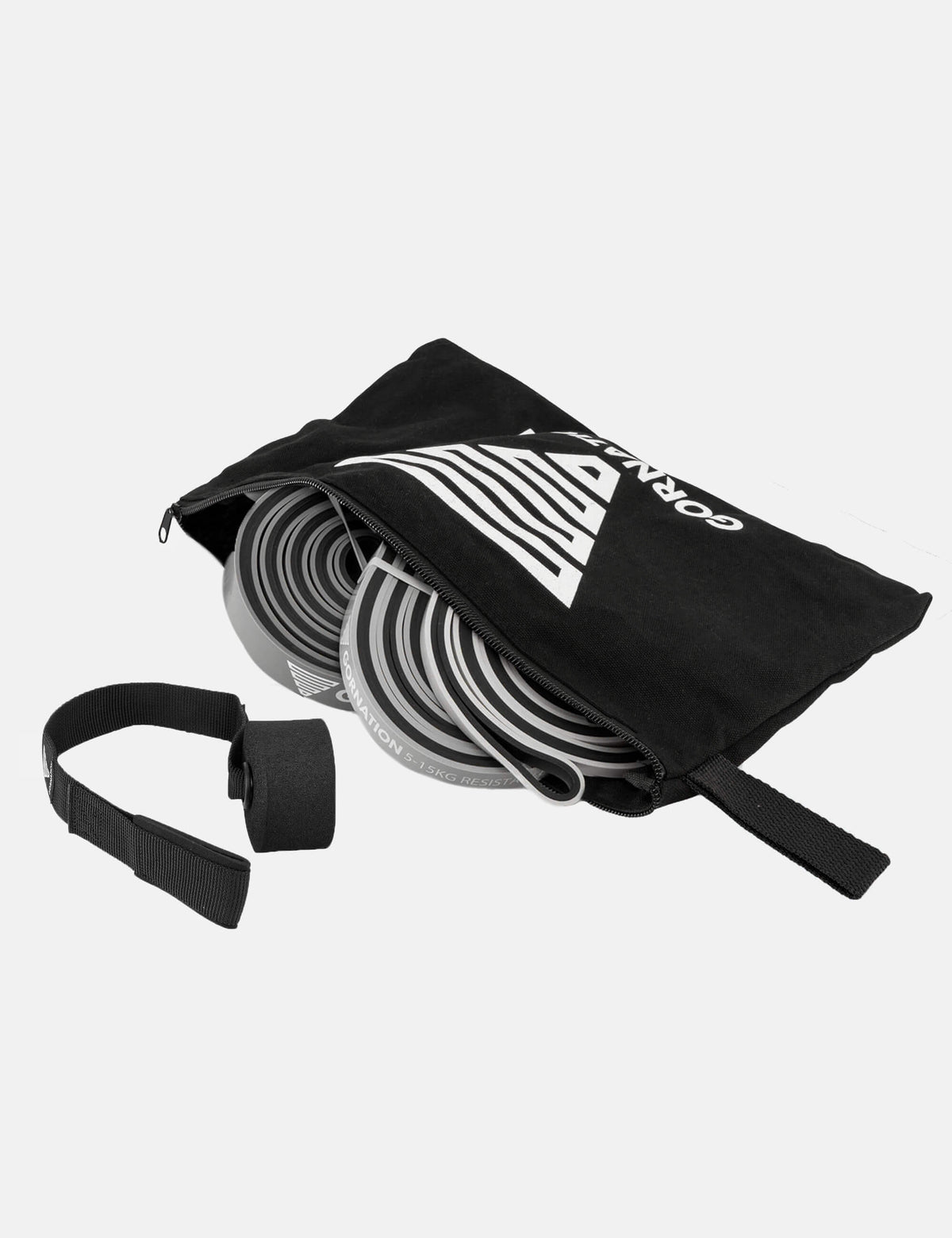
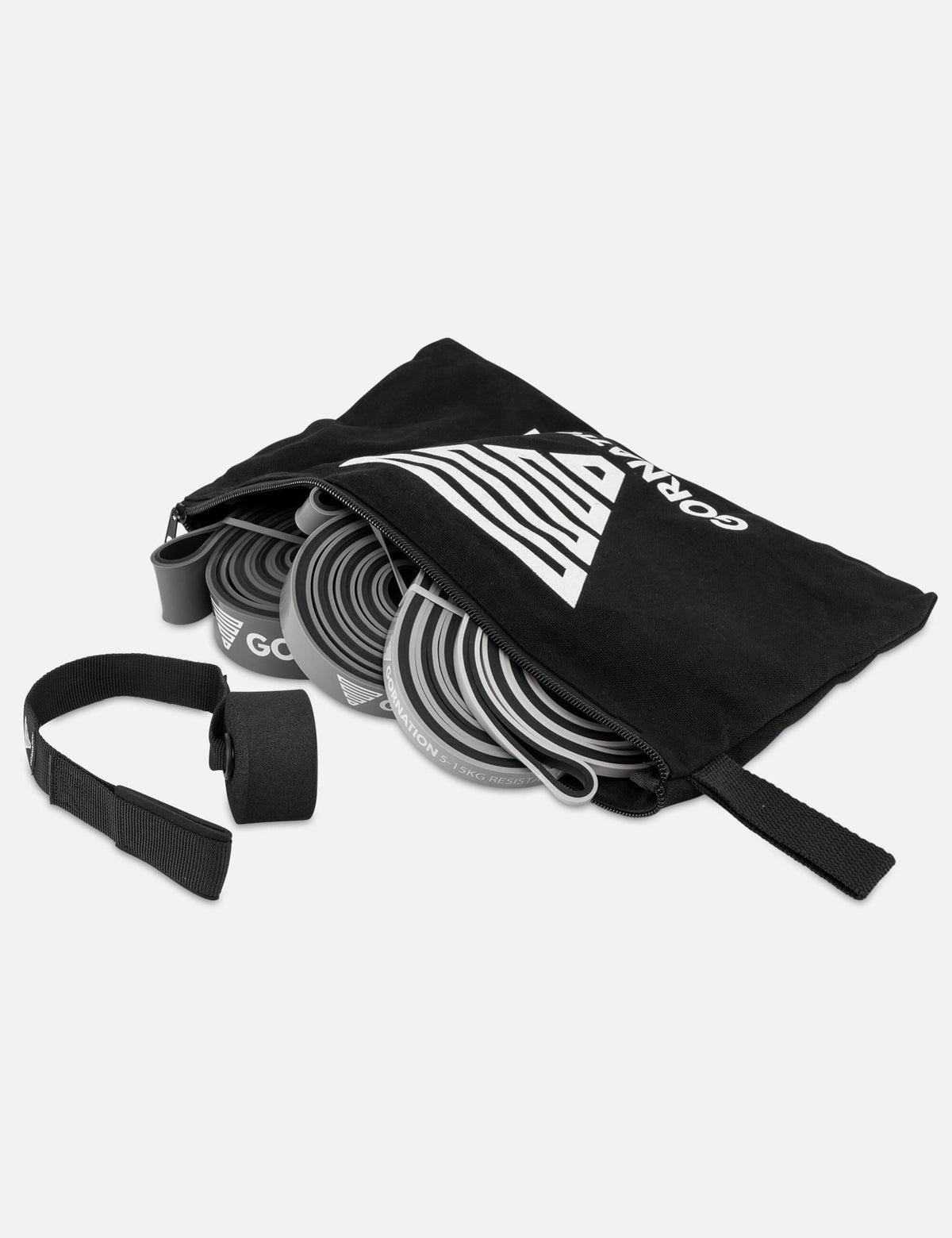
Recommended equipment for Single Leg Hip Thrusts


Main Muscles Worked
The Single Leg Hip Thrust mainly targets:
-
Gluteus maximus – the primary muscle responsible for hip extension and glute strength.
-
Hamstrings – support the hip extension and stabilize the movement.
-
Gluteus medius – helps stabilize the pelvis during single-leg movements.
-
Core muscles – maintain balance and body control throughout the exercise.
Strengthening these muscles improves glute power, hip stability, and lower body strength, which translates directly to better performance in running, jumping, squats, and many Calisthenics movements.
If you're looking for other exercises, check out our Youtube video:
Common Mistakes
Even though the Single Leg Hip Thrust looks simple, small technique mistakes can reduce its effectiveness. Watch out for the following:
-
Overarching the lower back: Focus on driving the movement from your glutes instead of your lower back.
-
Incorrect foot placement: If your foot is too far away or too close, you’ll lose optimal glute activation. Aim for a 90° knee angle.
-
Dropping the hips too quickly: Lower yourself slowly and with control to keep tension on the glutes.
-
Not fully extending the hips: Make sure you squeeze your glutes and reach full hip extension at the top of every rep.
Focus on controlled repetitions and strong glute activation. This will help you build stronger glutes, improve balance, and get the most out of the Single Leg Hip Thrust.
Discover more Exercises
Looking for more ways to level up your training? Check out our full exercise overview or try these effective exercises that perfectly complement your training:
Please read our legal disclaimer before starting your workout.